
10 Things You Should Know About Living Liver Donation

Living organ donation is one of the most generous acts a person can make. Among the different types of organ donation, liver donation stands out because of the liver’s remarkable ability to regenerate. Many people considering donation often ask questions such as does liver grow back after donation or can you live with half a liver without affecting long-term health.
A liver transplant from a living donor allows a healthy individual to donate a portion of their liver to someone suffering from severe liver disease or liver failure. This life-saving procedure can significantly shorten waiting times for transplantation and improve outcomes for patients who might otherwise wait months or even years for a suitable organ.
However, becoming a liver transplant donor is a major medical decision that requires careful evaluation, honest discussions about the risks of liver donation, and guidance from experienced transplant specialists. Understanding the liver donation process, eligibility criteria, surgical procedure, and liver donor recovery time can help individuals make informed decisions.
Patients considering transplant care often benefit from consulting specialized transplant hospitals with experienced multidisciplinary teams. King’s Transplant Center in Dubai provides structured transplant programs designed to support both donors and recipients through every stage of the transplant journey.
Below are ten essential things every potential donor should understand before considering liver donation.
Understanding Living Liver Donation
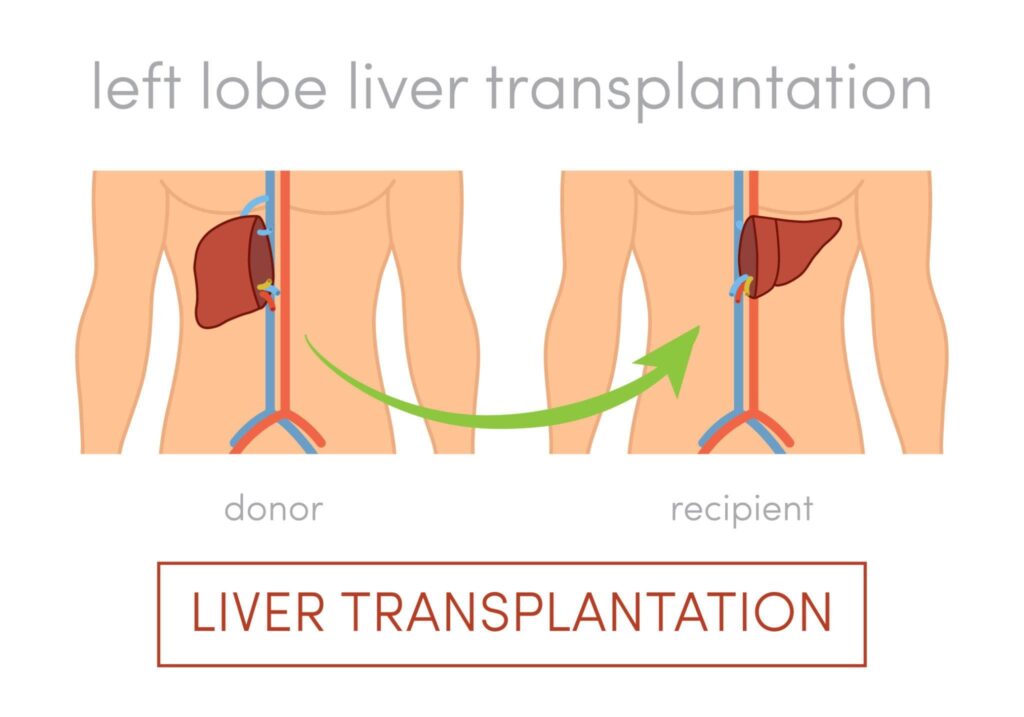
A living donor liver transplant is a surgical procedure in which a portion of a healthy person’s liver is transplanted into someone with advanced liver disease. Because the liver has the unique ability for liver regeneration after donation, surgeons can perform a partial liver transplant, allowing both donor and recipient livers to grow back to adequate functional size over time.
Many people ask can a person donate liver and still maintain normal health. The answer is yes, provided the donor meets strict liver transplant donor criteria, and the surgery is performed in a specialized transplant center.
Living liver donation is carefully regulated and performed only in hospitals with experienced transplant teams where donor safety remains the highest priority.
Patients who may benefit from a transplant include those with:
- Liver Cirrhosis
- Liver cancer in selected cases
- Acute liver failure
- Genetic liver diseases
For many recipients, receiving a liver transplant from a living donor can mean earlier treatment and improved survival outcomes.
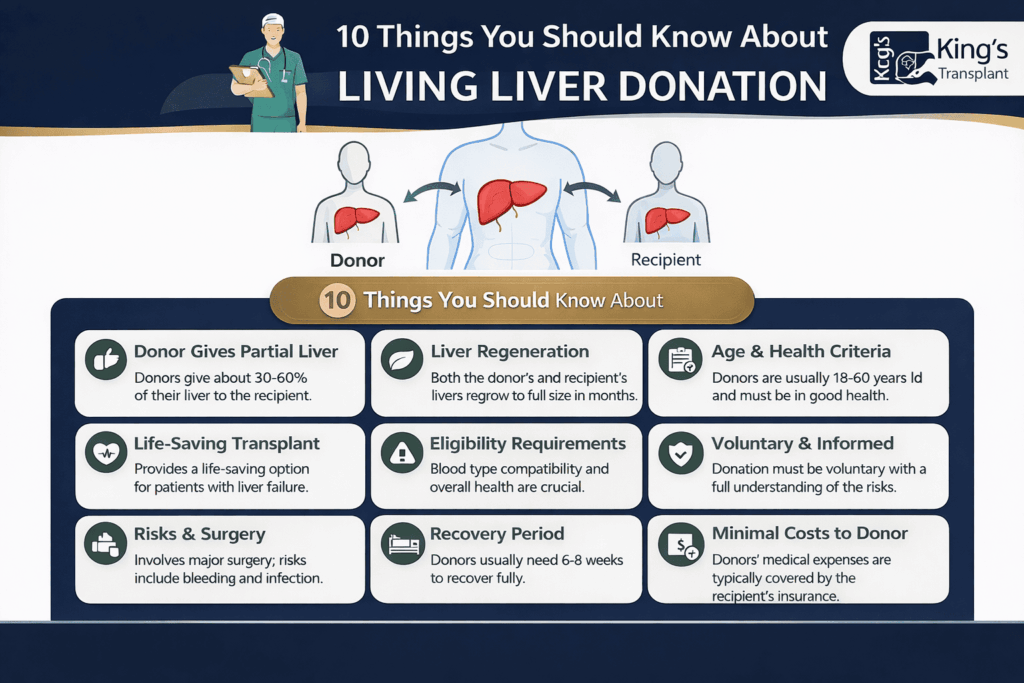
1. Does Liver Grow Back After Donation?
One of the most common questions potential donors ask is does liver grows back after donation.
The liver has a remarkable regenerative ability. After surgeons remove a portion of the liver during liver donation surgery, the remaining liver tissue begins regenerating within days. This process, known as liver regeneration after donation, allows the liver to regain most of its functional capacity within two to three months.
However, regeneration does not mean the liver grows back exactly in the same shape. Instead, it regains enough functional mass to perform essential metabolic functions such as detoxification, protein synthesis, and digestion.
Because of this regenerative capacity, it is medically possible to donate part of your liver while maintaining normal liver function.
2. Living Donor Liver Transplant Saves Lives
For many patients with advanced liver disease, transplantation is the only effective treatment. Unfortunately, the number of people waiting for a transplant often exceeds the number of available deceased donor organs.
A living donor liver transplant helps reduce waiting times and allows doctors to schedule surgery before the recipient’s condition worsens.
Benefits may include:
- Earlier access to transplantation
- Reduced waiting list time
- Planned surgical scheduling
- Potentially improved liver transplant success rate
This approach can dramatically improve survival outcomes for patients with severe liver disease.
3. Who Can Donate Liver?
Not everyone is eligible to become a donor. Doctors follow strict living liver donor requirements to ensure donor safety.
Typical liver transplant donor criteria include:
- Age between 18 and 60 years
- Good overall physical and mental health
- Compatible blood type with the recipient
- Healthy liver with no underlying disease
- Appropriate liver size match
Doctors carefully evaluate who can donate liver through blood tests, imaging scans, and psychological assessments.
The evaluation process also ensures donors are making the decision voluntarily and understand the potential living liver donor risks.
4. Can You Donate Part of Your Liver to Anyone?
Many people wonder whether you can donate part of your liver to anyone who needs a transplant.
In many cases, donors are family members or close friends because compatibility is easier to establish. However, unrelated donors may also be eligible if they meet all medical and ethical requirements.
Compatibility is determined based on:
- Blood type matching
- Liver size compatibility
- Overall health of both donor and recipient
Some transplant programs also allow altruistic donation, where individuals donate part of their liver to someone they do not know.
5. What Happens During Liver Donation Surgery?
Liver donation surgery involves removing a portion of the donor’s liver, usually the right or left lobe, depending on the recipient’s needs.
Many people ask how much of your liver can you donate. Typically, surgeons remove around 40–60% of the liver, which is enough for transplantation while leaving sufficient liver mass for the donor.
The procedure usually lasts four to six hours and is performed under general anesthesia.
After surgery:
- Donors typically stay in the hospital for 5–7 days
- Recovery continues at home for 6–8 weeks
- Doctors monitor liver regeneration and healing through follow-up visits
The transplanted portion of the liver begins functioning almost immediately in the recipient.
Also Read- Emergency vs. Planned Liver Transplant
6. What Does a Liver Donation Scar Look Like?
A visible liver donation scar is a normal part of the healing process.
The surgical incision is usually located in the upper abdomen and may appear as a curved or L-shaped line beneath the rib cage. Over time, the scar typically fades but may remain visible.
Advances in surgical techniques aim to reduce scar size and improve healing outcomes.
Proper wound care, balanced nutrition, and follow-up appointments help support recovery and minimize complications.
7. How Many Times Can You Donate Your Liver?
Another common question is how many times can you donate your liver.
Although the liver regenerates, most transplant programs allow donation only once. Even though regeneration occurs, repeated surgeries may increase medical risks.
Because donor safety is the highest priority, transplant teams generally consider liver donation a one-time procedure.
8. What Disqualifies You From a Liver Transplant?
Potential donors undergo extensive medical testing. Several health conditions may prevent someone from becoming a donor.
Common factors that may disqualify individuals include:
- Chronic liver disease
- Severe obesity
- Active infections
- Heart or lung disease
- Uncontrolled diabetes
- Substance misuse
Understanding what disqualifies you from a liver transplant helps potential donors prepare for the evaluation process.
9. Risks of Liver Donation
Like any major surgery, liver donation involves certain risks.
While complications are uncommon in experienced transplant centers, possible liver donation side effects may include:
- Bleeding
- Infection
- Blood clots
- Bile leaks
- Temporary digestive problems
Doctors carefully explain all living liver donor risks before surgery so that the donor can make an informed decision.
10. Recovery and Long-Term Outlook
Recovery varies between individuals, but most donors gradually return to normal life.
Typical liver donor recovery time milestones include:
- Walking within a few days after surgery
- Returning to light activities within 3–4 weeks
- Resuming normal routines within 2–3 months
During living donor liver transplant recovery, the remaining liver regenerates to restore normal function.
Research shows that liver donor life expectancy remains similar to the general population when donors maintain a healthy lifestyle and attend regular follow-ups.
What to Expect During a Donor Consultation?
If you are considering becoming a liver transplant donor, the first step is consultation with a transplant specialist.
During the consultation, doctors typically discuss:
- Your medical history
- The liver donation process
- Surgical details of living donor transplantation
- Potential risks and benefits
- Expected recovery timeline
Potential donors are encouraged to ask questions about issues such as does liver grow back after donation, who can donate liver, and recovery expectations.
Overview
King’s Transplant Center Dubai Lends Full Support and Coordination in Living Donor Liver Transplant
King’s Transplant Center Dubai offers comprehensive transplant evaluation programs that include detailed donor screening, advanced imaging assessments, and multidisciplinary medical guidance.
Importantly, potential donors always retain the right to withdraw from the process at any stage before surgery.
With our all-inclusive support, you can make well-informed decisions before going ahead with the process.
Frequently Asked Questions
Yes. The liver has a strong regenerative capacity, and most donors regain functional liver volume within a few months.
Yes. After donation, the remaining liver regenerates and maintains normal function.
Most donors return to normal activities within six to eight weeks, although full recovery may take longer.
In most cases, liver donation is performed only once for safety reasons.
Conditions such as chronic liver disease, severe obesity, and certain infections may disqualify potential donors.