Fatty Liver Disease

Fatty liver disease treatment in Dubai

preloader-medicalist

Fatty Liver Disease: Early Action Can Save Your Liver

At King’s Transplant Centre of Excellence, we believe that liver health is not just about treatment but prevention, timely diagnosis, and compassionate care.

Fatty liver disease, particularly Non-Alcoholic Fatty Liver Disease (NAFLD), is becoming increasingly common worldwide, including the UAE.

However, with the right Fatty Liver Disease Treatment in Dubai, it can be managed and even reversed through proper medical attention and lifestyle interventions.

What Is Fatty Liver Disease?

Fatty liver disease happens when excess fat collects in the liver cells, gradually affecting liver function.

It is broadly classified into:

NAFLD is especially concerning because it often presents no symptoms in its early stages but can progress to liver inflammation, scarring (fibrosis), cirrhosis, or even liver cancer if left untreated.

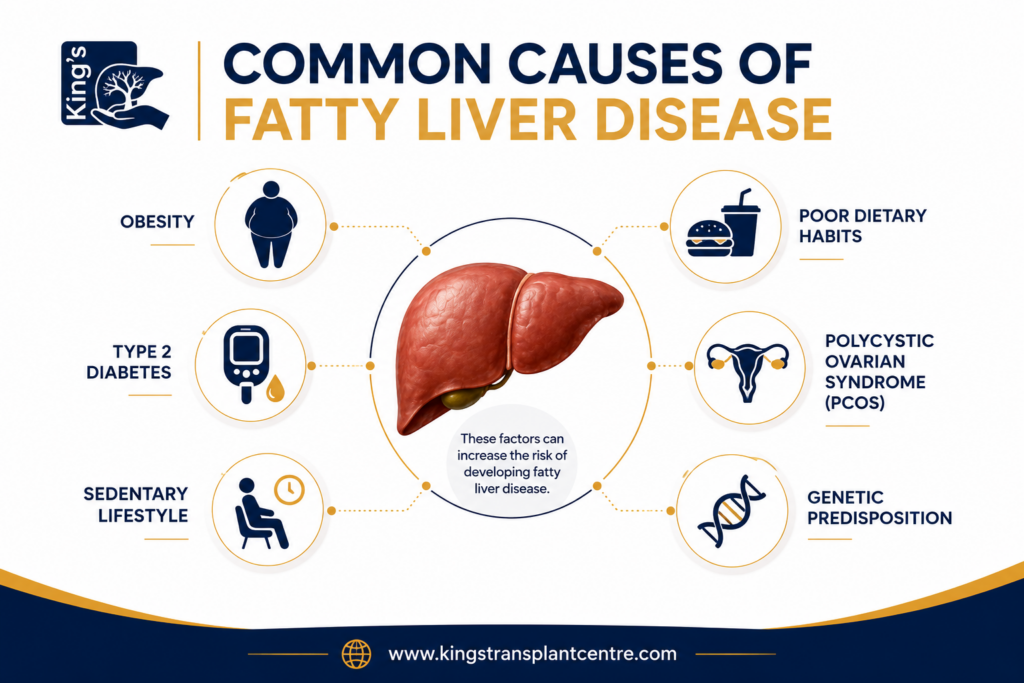
Common Causes and Risk Factors

NAFLD is commonly associated with:

It’s important to note that even lean individuals can develop NAFLD, particularly in the presence of insulin resistance or metabolic imbalances.

Fatty liver disease

Symptoms: Often Silent, Sometimes Subtle

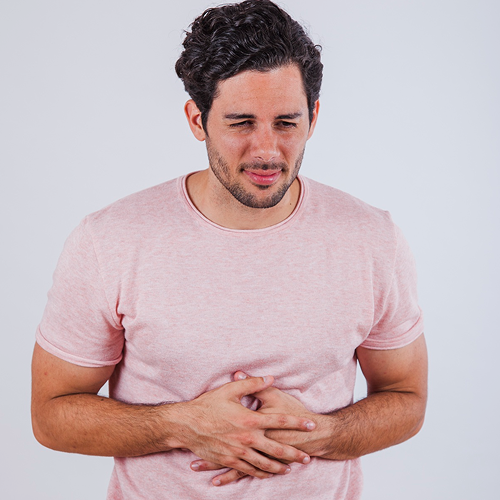
Usually, fatty liver disease does not produce symptoms until it has advanced. When symptoms do appear, they may include:

Because symptoms can be vague or absent, routine screening and liver function tests are vital, especially for those with risk factors.

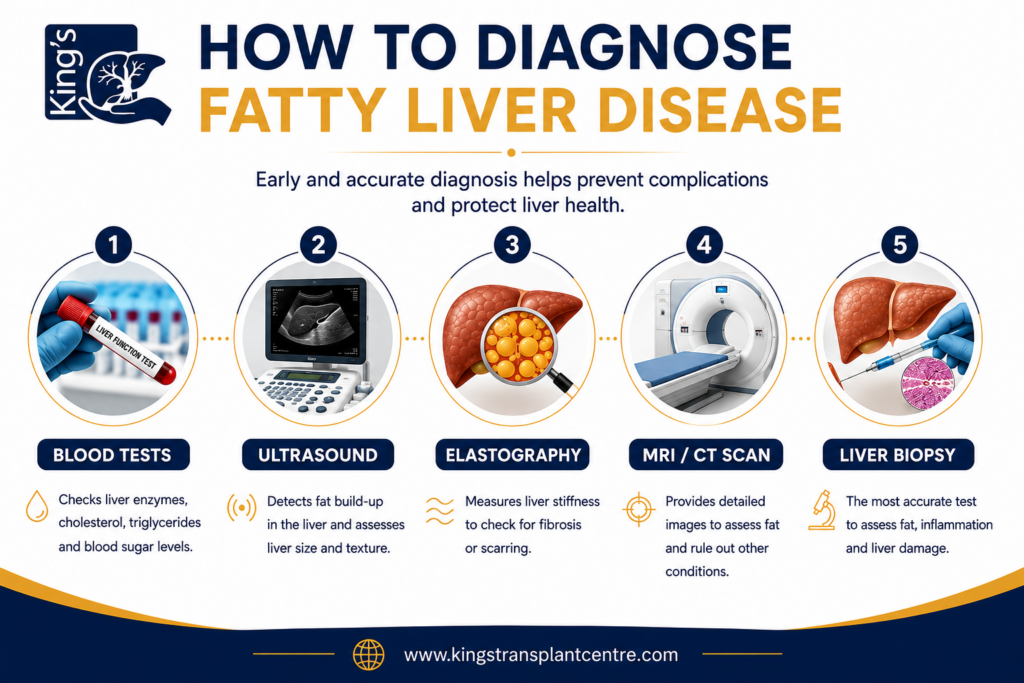
How to Diagnose Fatty Liver Disease

At King’s Transplant Centre of Excellence, a combination of advanced diagnostic tools is used to evaluate liver health:

Fatty liver disease treatment in Dubai

The approach is always evidence-based, patient-centric, and tailored to your unique health profile.

How to Diagnose Fatty Liver Disease

Fatty Liver Disease Treatment in Dubai: Your Path to Liver Wellness

Fatty liver disease can be reversed, specifically in the early stages.

Personalised Treatment at King’s Transplant Centre of Excellence:

Dietary changes can significantly improve liver health. With the guidance of experienced dietitians, patients receive simple, sustainable meal plans that focus on balanced nutrition, portion control, and gradual weight loss without relying on restrictive diets.

Even moderate movement can make a big difference. Walking, swimming, or light cycling can help reduce liver fat, improving overall health, especially when done consistently.

Fatty liver often develops alongside issues such as type 2 diabetes, high cholesterol, or hypertension.

Treating both these conditions together can improve liver function, thereby reducing the risk of long-term complications.

Regular follow-ups help track changes in liver function.

When liver disease becomes more advanced, specialist care may be necessary. Patients have access to leading hepatologists and transplant consultants, ensuring expert support at every stage of the condition.

Advanced Cases: When Liver Transplant Becomes a Lifeline

When fatty liver disease progresses to cirrhosis or liver failure, Fatty Liver Disease Treatment in Dubai may extend beyond medical therapy to liver transplantation

At King’s Transplant Centre of Excellence, patients benefit from:

What Does Fatty Liver Disease Treatment Cost in Dubai?

The cost of fatty liver treatment in Dubai varies significantly, typically ranging from AED 1500 for basic diagnostic packages to higher amounts depending on the disease’s severity, the need for advanced tests like Fibroscan, and personalised treatment plans such as lifestyle programs or medication.

Factors like the stage of the disease, required diagnostic tests, and the chosen treatment approach all influence the overall cost.

Why Choose King’s Transplant Centre of Excellence?

Healing Starts Here: Trust King’s Transplant Centre of Excellence

Don’t wait for symptoms to strike. Whether you’re seeking clarity, treatment, or ongoing management, our team is here to help you regain control of your liver health.

At King’s Transplant Centre of Excellence, expert care is paired with the reassurance of a healthier tomorrow.

Book a consultation today for expert Fatty Liver Disease Treatment in Dubai and take the first step toward reversing fatty liver disease.

Your liver deserves expert care. So do you!

Fatty Liver FAQs

In many cases, fatty liver can improve or be reversed, particularly when treated early. Eating a balanced diet, staying active, maintaining a healthy weight, and limiting alcohol can help reduce fat in the liver. Treatment will depend on the cause of the condition and your overall health.

Fatty liver may not cause serious problems in the early stages, but it can become more serious over time. In some people, it can lead to liver inflammation and scarring, which may progress to cirrhosis. Finding and managing it early can help lower this risk.

Treatment usually focuses on addressing the cause of fat buildup in the liver. This may involve changes to your diet and activity levels, weight management, and better control of conditions such as diabetes or high cholesterol, and avoiding alcohol. A doctor can recommend the most suitable approach based on your condition.

There is no fixed timeline. Some people may see changes within a few months, while others take longer. Regular check-ups allow your doctor to see how your liver is responding.

Fatty liver usually does not cause noticeable symptoms, but some people may experience a dull or uncomfortable feeling in the upper right side of the abdomen. Since abdominal pain can have many possible causes, ongoing or unexplained pain should be checked by a healthcare professional.

Fatty liver is usually a result of weight gain and excess fat storage rather than a cause of it. However, conditions linked to fatty liver, such as insulin resistance and hormonal imbalances, can make weight management more difficult. Addressing the underlying cause, along with diet and lifestyle changes, can help with both liver health and weight control.

It is generally helpful to limit sugary drinks, processed foods, fried foods, refined carbohydrates, and foods high in saturated fats. Alcohol may also need to be avoided, depending on the type and severity of fatty liver.

A balanced diet can support better liver health. This can include vegetables, whole fruits, whole grains, lean sources of protein, and unsaturated fats. Rather than following a restrictive diet for a short period, focus on changes that you can maintain over time.

Fatty liver does not always cause liver damage, particularly in the early stages. However, ongoing inflammation can lead to liver scarring (fibrosis) and, over time, cirrhosis. Managing the condition early may help slow or prevent further liver damage.

Fatty liver is usually assessed through a combination of medical history, blood tests, and imaging such as an ultrasound. Depending on the findings, a doctor may recommend additional tests to check for inflammation or liver scarring.

Fatty Liver Disease

Reach out to us

for more information

Feel free to contact me, and I will be more than happy to answer all of your questions.