Chronic Kidney Disease (CKD) often develops quietly, without clear symptoms in the early stages, which can make the diagnosis feel sudden and overwhelming. Learning that your kidneys are not working as they should can raise many questions and concerns about the future.
At King’s Transplant Centre, care begins with understanding, listening to your worries, explaining the condition in simple terms, and guiding you ahead.
Our dedicated team offers kidney disease treatment in Dubai through advanced diagnostic tools and personalized plans. We also ensure comprehensive care for CKD that focuses on slowing disease progression, protecting kidney function, and supporting long-term health and quality of life.
What is Chronic Kidney Disease?
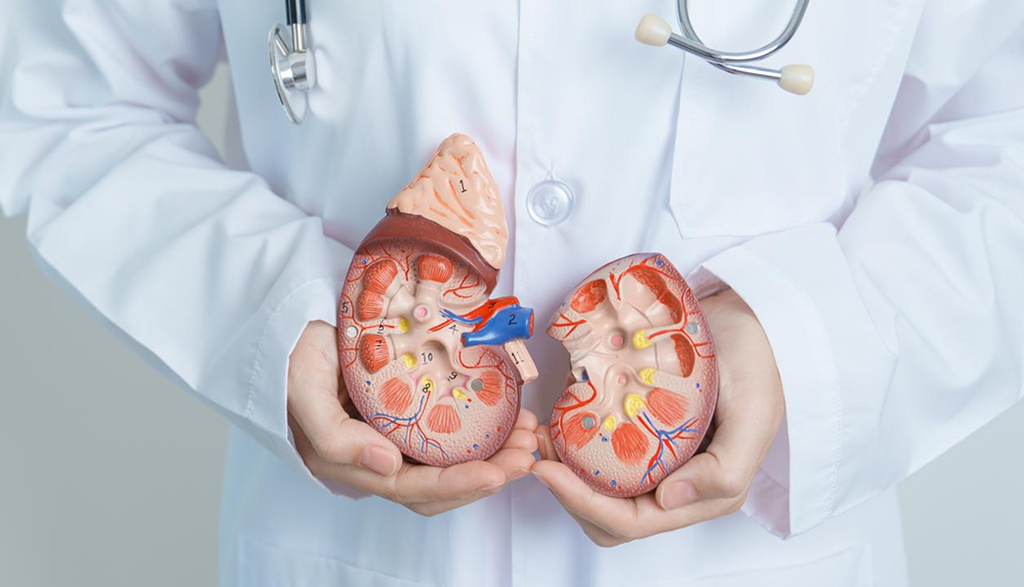
Chronic kidney disease (CKD) is a long-term condition where the kidneys slowly lose their ability to filter waste and extra fluid from the blood. Healthy kidneys balance minerals, control blood pressure, and support red blood cell production.
When kidney function declines over months or years, waste can build up in the body. This can affect many organs if not managed on time.
CKD is common.
What do studies say? Global studies suggest that around 1 in 10 adults has some level of kidney disease. Many do not know it because the early stages often have no clear symptoms.
Why do kidneys become damaged?
Several conditions can harm the kidneys over time.
The most common causes include:
Diabetes
High blood pressure
Long-standing heart disease
Autoimmune disorders
Recurrent kidney infections
Family history of kidney problems
Lifestyle factors like smoking, obesity, and high salt intake can also increase risk.
Chronic kidney disease stages
CKD is divided into five phases based on how well the kidneys filter blood. This is measured by the estimated glomerular filtration rate (eGFR).
Stage 1
Kidney damage is present, but filtration is still normal. There may be protein in the urine.
Stage 2
Mild loss of function. Often no symptoms yet.
Stage 3 kidney disease
Moderate loss of function.
This stage is split into:
Stage 3a chronic kidney disease: eGFR 45-59
Stage 3b: eGFR 30-44
Many patients are diagnosed at stage 3 kidney disease because symptoms may start appearing here.
Stage 4
Severe decline in kidney function. Careful medical planning is needed.
Hepatopancreatobiliary (HPB) Surgeon And Abdominal Multi-Organ Transplantologist,
Dr. Siddiq Anwar
Consultant Nephrologist in Dubai
What is the first sign of kidney problems?
One of the earliest and most common signs is protein in the urine. This cannot be seen without a lab test. That is why routine health checkups matter, especially for people with diabetes or high blood pressure.
Some people also notice mild swelling or fatigue early on. But many feel completely normal. Blood and urine tests remain the best way to detect problems early.
What is the creatinine level for stage 3 kidney disease
Creatinine is a waste product measured in blood tests. Higher levels suggest reduced kidney function.
There is no single creatinine number that defines stage 3 kidney disease for everyone. It depends on age, gender, and body size. Doctors use creatinine to calculate eGFR, which gives a more accurate picture.
In general, stage 3 CKD often shows moderately elevated creatinine along with an eGFR between 30 and 59. A kidney specialist doctor in Dubai can interpret these values correctly for each patient.
Can kidney disease be reversed?
Chronic kidney damage is usually not fully reversible. However, its progression can often be slowed or stabilized.
Many patients maintain stable kidney function for years with:
Good blood sugar control
Healthy blood pressure levels
Kidney-friendly diet
Proper medications
Regular monitoring
Early action makes a big difference. Some underlying causes, like infections or blockages, can be treated if found early.
How is CKD managed?
Care is personalized. It depends on the stage and cause of disease. Common approaches include:
Medical management Doctors may prescribe medicines to control blood pressure, diabetes, or cholesterol. These protect kidney function.
Nutrition guidance A kidney-friendly diet may limit salt, processed food, and excess protein. Hydration is also important.
Lifestyle support Exercise, weight control, and quitting smoking help protect kidneys.
Advanced care In later stages, dialysis or transplant may be discussed. Transplant offers many patients a better quality of life when suitable.
People searching for kidney disease treatment in Dubai often benefit from a team approach that includes nephrologists, dietitians, and transplant specialists.
The importance of early screening
If you have diabetes, high blood pressure, or a family history of kidney disease, consulting a Kidney Specialist Doctor in Dubai and yearly kidney tests are wise. Simple blood and urine tests can detect problems early. In some cases, a renal biopsy may be recommended to determine the exact cause of kidney disease.
Early diagnosis means more treatment choices and better outcomes. It also reduces the risk of complications like heart disease, which is closely linked to CKD.
Kidney disease treatment in Dubai at King's Transplant Centre - Find a supportive path forward
A CKD diagnosis can feel overwhelming. But many patients live full lives with the right care plan. Small daily choices add up. Regular follow-ups matter. Support from family and medical teams helps At Kings Transplant Centre.
If you or a loved one is facing kidney concerns, seeking appropriate and timely consultation and treatment at King’s Transplant Centre can be a wise decision. Patients here are given the best chance to protect their kidney health and maintain a good quality of life.
Taking action today is a positive step toward a healthier tomorrow.