Gallstone disease, a common condition affecting millions worldwide, can significantly impact your quality of life. At King’s Liver Transplant Centre of Excellence, we understand the discomfort and potential complications of gallstones.
With extensive experience, our specialist surgeons guide you through every step, offering top-tier diagnosis and advanced treatment for optimal digestive health results.
Understanding gallstone disease
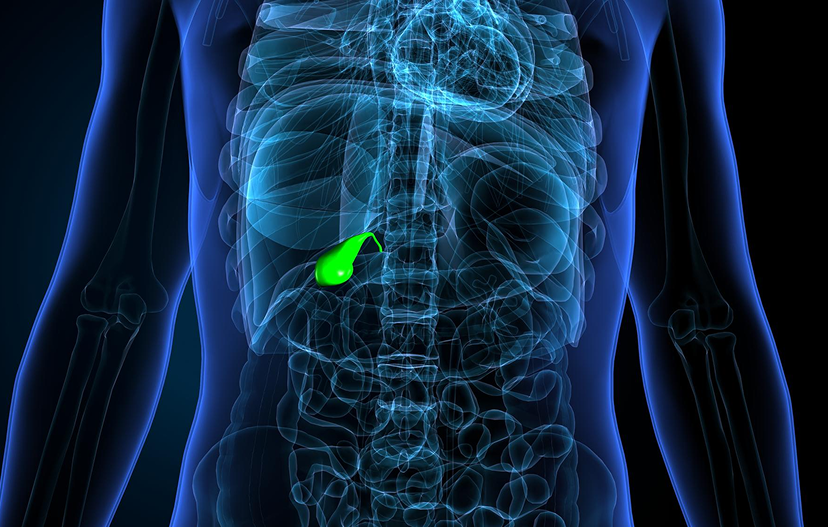
The gallbladder, a pear-shaped organ below the liver, stores bile to aid fat digestion. Sometimes, this fluid hardens into gallstones, which can range from tiny specks to golf-ball-sized stones.
While some people may have gallstones without experiencing any symptoms (asymptomatic gallstones), others can suffer from significant pain and serious complications when gallstones block the bile ducts. There are two main types of gallstones:
Cholesterol gallstones: The most common type, often yellow-green, is composed primarily of undissolved cholesterol.
Pigment gallstones: Gallstones that appear dark brown or black are caused by an overload of bilirubin in the bile, which comes from the natural breakdown of red blood cells.
Symptoms of gallstone disease
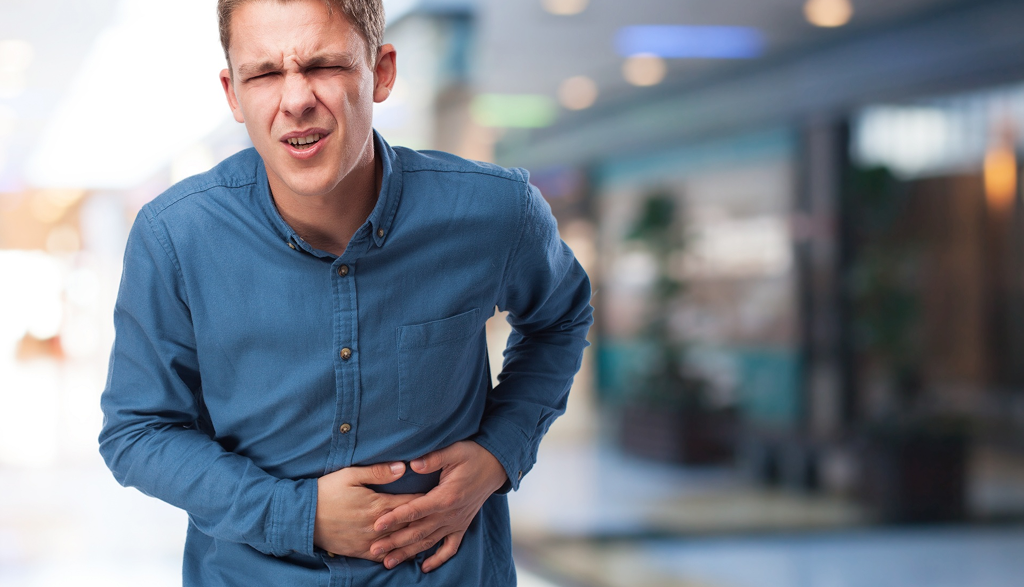
Symptoms typically arise when a gallstone lodges in a duct, causing a blockage or inflammation. These can include:
- Sudden and rapidly intensifying pain: Pain often occurs in the upper right abdominal area or the middle of the abdomen under the breastbone.
- Back pain
- Right shoulder pain.
- Nausea or vomiting.
- Fever and chills
- Jaundice
- Clay-coloured stools and dark urine
If you experience any of these symptoms, especially severe pain, fever, or jaundice, it is crucial to seek prompt medical attention.
Diagnosis of gallstone disease
Our specialists at King’s Liver Transplant Centre of Excellence utilise state-of-the-art diagnostic tools to identify gallstones and assess their impact on your health accurately:
Physical examination and medical history: A thorough review of your symptoms and health background.
Blood tests: To screen for evidence of infection, inflammation, or impaired liver function.
Imaging scans
- Abdominal ultrasound: The most common and effective non-invasive test for detecting gallstones in the gallbladder.
- CT scan: Provides detailed cross-sectional images useful for detecting complications like inflammation or perforation.
MRI and MRCP (Magnetic resonance cholangiopancreatography): Employs magnetic waves to visualise the biliary and pancreatic ducts, particularly useful for identifying stones in the bile ducts.
Endoscopic Ultrasound (EUS) / ERCP (Endoscopic retrograde cholangiopancreatography): Advanced endoscopic procedures that can diagnose and sometimes remove gallstones from the bile ducts.
Treatment for gallstone disease
While asymptomatic gallstones often do not require immediate treatment, symptomatic gallstones or those causing complications typically necessitate intervention.
The most common and effective treatment for symptomatic gallstone disease is gallbladder removal in Dubai, a surgical procedure known as cholecystectomy.
Laparoscopic cholecystectomy in Dubai
At King’s Liver Transplant Centre of Excellence, we primarily perform laparoscopic cholecystectomy in Dubai, which is considered the gold standard for gallbladder removal. This minimally invasive surgical technique offers significant advantages over traditional open surgery:
Minimally invasive: Instead of a large incision, the surgeon makes several small incisions (typically 0.5-1 cm) in the abdomen.
Tiny video camera (Laparoscope): Using a minimally invasive technique, a camera-tipped laparoscope is placed through a small incision to guide the surgeon in viewing the gallbladder region.
Specialised instruments: Through additional small incisions, fine surgical instruments are introduced to carefully dissect and remove the gallbladder.
Benefits of gallbladder removal in Dubai
Gallbladder removal in Dubai benefits include:
Minimal scarring: Smaller cuts improve cosmetic results.
Less pain: Reduced post-op discomfort.
Short hospital stay: Often discharged the same day or within 1–2 days.
Quick recovery: Back to normal in 1–2 weeks.
Fewer complications: Lower risk of infection and bleeding.
In some complex cases, or if complications arise during a laparoscopic procedure, a conversion to an open cholecystectomy (requiring a larger incision) may be necessary. Our surgeons are highly skilled in both approaches, ensuring patient safety and the best possible outcome.
Gallbladder stone surgery cost in Dubai
The gallbladder surgery cost in Dubai can vary depending on many factors, including the complexity of your case, the type of procedure (laparoscopic vs. open, though laparoscopic is standard), the hospital facilities, the length of your hospital stay, and the extent of pre-operative diagnostics and post-operative care.
Life after gallbladder removal
The gallbladder is a storage organ, not essential for digestion. After gallbladder removal in Dubai, bile flows directly from the liver to the small intestine. Most people experience no significant changes in digestion.
Some individuals might experience temporary changes in bowel habits, such as looser stools, but these usually resolve as the body adapts. Our team will provide dietary guidance and support to ensure a smooth transition and optimal digestive health post-surgery.
Why Choose King's Liver Transplant Centre of Excellence for Laparoscopic Cholecystectomy in Dubai?
King’s Liver Transplant Centre of Excellence is renowned for its multidisciplinary approach to complex liver and biliary conditions.
Our team in Dubai has extensive expertise in laparoscopic cholecystectomy, prioritising precision and patient safety throughout the procedure. We incorporate advanced diagnostic and surgical technologies to enhance clinical outcomes.
You receive holistic support and personalised treatment plans from initial diagnosis to post-operative recovery. We prioritise your comfort, understanding, and well-being throughout your treatment journey.
If you are experiencing gallstone-related symptoms or have received a diagnosis, the team at King’s Liver Transplant Centre of Excellence offers expert, patient-centred care using the latest medical advancements.
FAQs
Gallstones often form when the chemical composition of bile is imbalanced—specifically, too much cholesterol or bilirubin—or when the gallbladder doesn’t empty properly. Obesity, rapid weight loss, specific diets, genetics, and age can increase the risk.
Gallstones rarely disappear on their own. While some asymptomatic gallstones may never cause problems, symptomatic gallstones often require intervention.
While medications can occasionally dissolve small cholesterol stones, cholecystectomy remains the most effective treatment for recurrent gallbladder symptoms.
Yes, gallbladder removal in Dubai is one of the most common general surgical procedures performed. Laparoscopic cholecystectomy is a very safe and routine operation with a high success rate in relieving symptoms.
Most patients who undergo laparoscopic cholecystectomy in Dubai can go home on the same day or the day after surgery. Full recovery, including a return to normal daily activities, typically takes about 1 to 2 weeks. Restrictions on intense physical activity and heavy lifting generally remain in place for a longer duration.
Initially, patients are often encouraged to follow a low-fat diet to support digestive adjustment. Most people can gradually return to a standard, healthy diet.
Some individuals might find certain high-fat or spicy foods trigger digestive discomfort, but this is usually manageable with dietary adjustments. Our team will provide personalised nutritional advice.
Gallbladder removal, medically known as Cholecystectomy, is recommended when gallstones or related conditions cause persistent symptoms or complications.
These include:
- Recurrent abdominal pain (biliary colic)
- Inflammation of the gallbladder (Cholecystitis)
- Blockage of bile ducts (Choledocholithiasis)
- Infection or gallstone-related pancreatitis
Timely intervention, including gall bladder removal in Dubai, helps prevent serious complications and ensures better long-term outcomes.
If gallstones are causing symptoms, surgery is usually the only permanent solution. Medications may provide temporary relief but do not reliably remove stones, and symptoms often recur.
In cases where gallstones are asymptomatic, careful monitoring may be considered. However, for symptomatic patients, gall bladder removal in Dubai remains the most effective and definitive treatment.
Yes, laparoscopic (minimally invasive) surgery is the preferred approach in most cases.
Benefits include:
- Smaller incisions
- Less postoperative pain
- Faster recovery
- Minimal scarring
Open surgery is reserved for complex or emergency situations. Most patients undergoing gall bladder removal in Dubai are treated using laparoscopic techniques.
The procedure is performed under general anesthesia, so no pain is felt during surgery.
After laparoscopic surgery, most patients experience mild to moderate discomfort, which is well controlled with medications. For those undergoing gall bladder removal in Dubai, recovery is generally smooth and significantly less painful compared to repeated gallstone attacks.
Gallbladder removal is a safe and commonly performed procedure with a high success rate.
Potential risks include:
- Infection
- Bleeding
- Bile duct injury (rare)
- Bile leakage
With experienced surgical care, such as in centers offering gall bladder removal in Dubai, complication rates are very low.
Postponing treatment can lead to serious complications such as:
- Severe infection
- Gallbladder rupture
- Pancreatitis
- Blockage of the bile ducts
Emergency situations often require urgent surgery with higher risks. Early treatment, including gall bladder removal in Dubai, is safer and more effective.
Yes, it is entirely possible to live a normal and healthy life without a gallbladder.
After removal, bile produced by the liver flows directly into the small intestine. Patients who undergo gall bladder removal in Dubai typically return to their regular lifestyle without long-term restrictions.
Most patients continue to digest food normally after surgery.
Some may experience temporary symptoms such as:
- Mild diarrhea
- Sensitivity to fatty foods
These usually resolve within a few weeks. After gall bladder removal in Dubai, dietary guidance is often provided to support recovery.
In the initial recovery phase, it is advisable to:
- Avoid high-fat and fried foods
- Eat smaller, more frequent meals
- Gradually reintroduce fiber-rich foods
Most individuals continue a normal diet within a few weeks following gall bladder removal in Dubai, depending on individual tolerance.
Yes, gallbladder removal is considered a definitive treatment.
- Gallstones cannot recur in the gallbladder once it is removed
- Symptoms are usually completely resolved
In rare cases, stones may form in bile ducts, but this is uncommon. Patients undergoing gall bladder removal in Dubai can expect long-term relief and improved quality of life.
After gallbladder removal, your body can’t store bile the way it used to, so digesting large amounts of fat becomes harder. In the first four to six weeks, it’s best to stay away from fried and greasy foods, fatty red meat, processed meats like sausages and bacon, full-fat dairy, cream-based sauces, spicy dishes, sugary pastries, caffeine, fizzy drinks, and alcohol. Gas-heavy vegetables like cabbage, cauliflower, and beans should be introduced slowly in small amounts.
Instead, eat smaller meals four to six times a day, choose lean proteins like chicken or fish, and stick to low-fat cooking methods. Most people can gradually return to a normal diet within a month as the body adjusts, but if bloating, cramps, or diarrhoea persist beyond that, it’s worth checking in with your doctor.