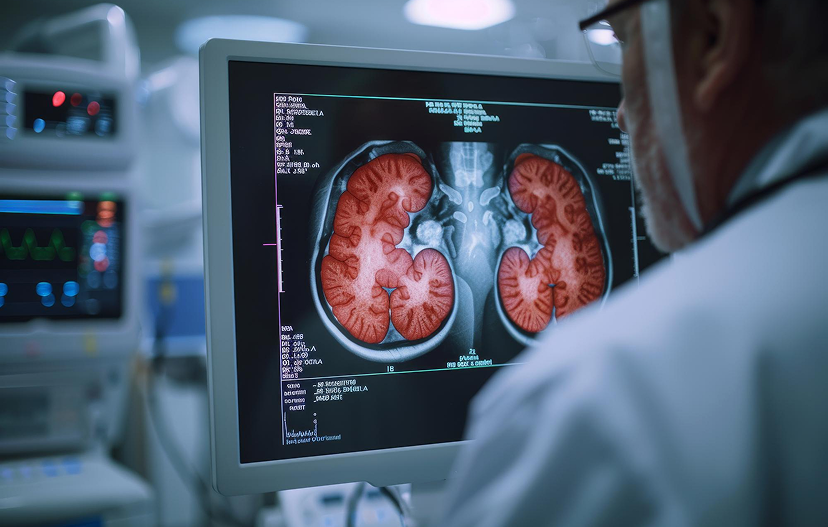

Kidney Imaging
Kidney Imaging (CT, MRI, Ultrasound)

- Home
- Kidney Transplant Services
- Kidney Imaging (CT, MRI, Ultrasound)
Kidney problems often develop quietly. Many people do not notice symptoms until the condition has progressed, which is why imaging and laboratory evaluation play a vital role in early diagnosis.
In fact, only about 10% of people living with chronic kidney disease are aware they have it, highlighting how important timely testing really is.
At King’s Transplant Centre, a complete kidney evaluation often includes imaging techniques such as CT scans, MRI, and ultrasound, along with laboratory tests. Patients frequently ask about the Kidney Function Test Price Dubai, especially when imaging is recommended along with blood and urine testing. Understanding what these tests involve helps patients feel more confident and prepared.
What is kidney imaging?
Kidney imaging refers to diagnostic tests that create detailed pictures of the kidneys and urinary tract. These images help doctors understand how the kidneys look and how well they are functioning.
Imaging helps evaluate:
- Kidney size and structure
- Blood flow to the kidneys
- Stones, cysts, or tumors
- Blockages or swelling
- Causes of reduced kidney function
Imaging is often done alongside a kidney function test or kidney blood test to provide a complete picture of kidney health.
Common imaging methods include ultrasound, CT scan, MRI, and nuclear medicine renal scans, each serving a slightly different purpose.
In some cases, if imaging and laboratory tests do not provide enough information, your doctor may recommend a renal biopsy to confirm the exact cause of kidney disease.
Why are kidney imaging tests done?
Kidney imaging is recommended when doctors need to investigate symptoms or confirm findings from laboratory tests.
Common reasons include:
- Blood in urine
- Persistent back or flank pain
- Recurrent urinary infections
- Suspected kidney stones
- Abnormal findings on a kidney blood test
- Monitoring transplant or dialysis patients
Many patients researching Kidney function test price Dubai are often advised that imaging is ordered only when necessary, based on symptoms or abnormal results.
Patients also frequently ask what tests are done to check kidney function, and imaging is an important part of that evaluation, along with blood and urine tests.
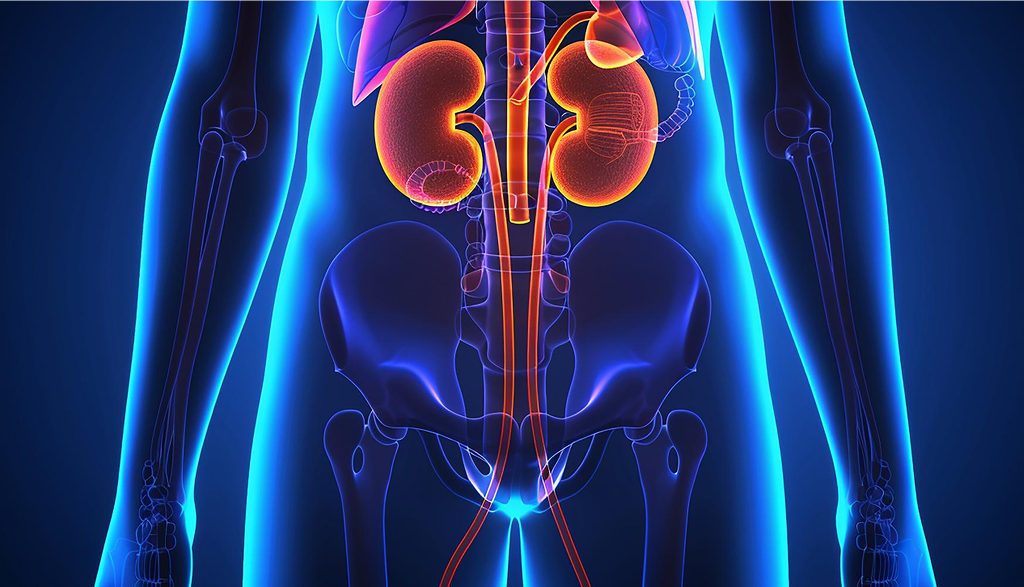
Who is an ideal candidate?
Kidney imaging may be recommended for:
- Patients with abnormal tests for kidney function
- Individuals with diabetes or high blood pressure
- Patients preparing for a kidney transplant
- People with a family history of kidney disease
- Individuals experiencing swelling, fatigue, or unexplained pain
The decision to perform imaging is always individualized and based on clinical need.
Benefits of kidney imaging
Kidney imaging provides several important benefits:
- Helps detect kidney disease early
- Identifies stones, cysts, or tumors accurately
- Evaluates blood flow and drainage
- Helps doctors plan treatment or surgery
- Monitors transplant kidney health
For patients wondering what is the most accurate test for kidney function, it is important to understand that no single test gives all the answers. Blood tests measure filtration, while imaging helps doctors see structure and blood flow. Together, they provide a clearer picture.



Detailed overview of tests and how they work
Ultrasound
Ultrasound is usually the first imaging test recommended because it is simple, safe, and does not use radiation.
A gel is applied to the skin, and a handheld probe is moved over the abdomen. Sound waves create real-time images of the kidneys on a screen.
Ultrasound helps doctors assess kidney size, swelling, cysts, and obstruction. This test can be completed in 20-30 minutes, and after the test, patients can resume their normal activities.
CT Scan
A CT scan provides very detailed cross-sectional images of the kidneys and surrounding structures.
During the scan, the patient lies on a movable table that passes through the scanner. At times, a contrast agent is administered to highlight blood vessels and tissues more clearly.
CT scans are especially useful for detecting kidney stones, tumors, infections, and structural abnormalities. The scan itself usually takes 10 to 30 minutes, though preparation may take slightly longer.
MRI
MRI is often used when doctors need detailed soft-tissue images or need to evaluate blood vessels.
The patient lies inside a scanner, and magnetic fields create detailed images. MRI does not use radiation, which makes it suitable in certain situations where repeated imaging may be needed.
MRI scans generally take longer than CT scans, often between 30 and 60 minutes, but provide very detailed information.
Renal scan (Nuclear imaging)
A renal scan helps evaluate blood flow and how well each kidney is functioning.
A small amount of radioactive tracer is injected into a vein. A special camera tracks how the tracer moves through the kidneys, showing filtration and drainage patterns.
This test usually takes between 45 and 90 minutes and provides valuable functional information that other imaging tests may not show.
Patients undergoing dialysis often ask how long does dialysis take, and imaging tests like renal scans may be used during evaluation or treatment planning. Most dialysis sessions typically last around 3 to 5 hours, depending on the patient’s condition.
Recovery and aftercare
Most kidney imaging tests require little or no recovery time.
Patients may be advised to:
- Drink extra fluids after contrast studies
- Resume normal activities the same day
- Inform their doctor if they notice any unusual symptoms after contrast injection
For the majority of patients, imaging is performed on an outpatient basis.
Risks or considerations
Kidney imaging is generally very safe, but some points are important to keep in mind:
- Contrast dye may not be suitable for patients with advanced kidney disease
- Mild allergic reactions to contrast are uncommon but possible
- MRI may not be suitable for patients with certain implants or devices
The doctor carefully reviews medical history before recommending any test to ensure safety.
Why choose King's Transplant Centre for kidney imaging in Dubai?
At King’s Transplant Centre, kidney imaging and diagnostic testing are part of a coordinated, patient-focused approach.
Patients benefit from:
- Experienced transplant and nephrology specialists
- Advanced imaging technology
- Comprehensive evaluation and clear explanations
- Individualized treatment planning
Many patients who compare the Kidney Function Test Price Dubai appreciate that testing is guided by clinical need, with a focus on accurate diagnosis rather than unnecessary investigations.
Early evaluation leads to better outcomes
Kidney imaging plays a crucial role in diagnosing kidney disease, monitoring treatment, and guiding transplant care. When performed alongside a kidney function test, these investigations give doctors a much clearer understanding of kidney health.
If you have symptoms, abnormal test results, or concerns about kidney health, consulting a specialist can help you understand which tests are appropriate, including guidance about the Kidney Function Test Price Dubai and imaging options best suited to your condition.
Early diagnosis allows earlier treatment, and that often makes a meaningful difference in long-term kidney health.
Our multidisciplinary team offers compassionate, state-of-the-art care at every stage from early detection and antiviral therapy to advanced liver disease management and transplantation.
Protect your liver and your future.
Book your consultation today and take the first step towards expert hepatitis care.
Kidney Imaging FAQs
What tests are done to check kidney function?
Doctors usually recommend blood tests, urine tests, and imaging such as ultrasound or CT scans to evaluate kidney health.
What is the most accurate test for kidney function?
There is no single most accurate test. Blood tests show filtration, while imaging shows structure and blood flow. Together, they provide the most reliable assessment.
Is kidney imaging painful?
No. Ultrasound, CT, and MRI are painless procedures. Some patients feel brief discomfort during contrast injection.
How long does dialysis take, and do imaging tests affect it?
Dialysis sessions typically last 3–5 hours. Imaging tests may be performed before or during treatment planning but do not usually interfere with dialysis schedules.
How long do kidney imaging tests take?
Ultrasound usually takes 20–30 minutes, CT scans around 10–30 minutes, MRI about 30–60 minutes, and renal scans may take up to 90 minutes.
Do I need to fast before imaging?
Some CT or MRI scans require fasting if contrast is used. Your care team will provide instructions beforehand.
How often should kidney tests be done?
This depends on risk factors such as diabetes, high blood pressure, or existing kidney disease. Your doctor will recommend a schedule suited to your condition.