

Life After a Liver Transplant: What You Need to Know

Healing Beyond Surgery – Thriving After Transplant!
Life after a liver transplant can feel like stepping into a new chapter filled with both relief and uncertainty. While the surgery gives patients a second chance at life, it also brings with it important adjustments, from managing medications to embracing healthier lifestyle choices.
At King’s Transplant Centre, we not only provide advanced liver transplant procedures but also guide patients and their families every step of the way, ensuring they have the right support to rebuild their strength, confidence, and quality of life after the surgery.
What is a Liver Transplant?
A liver transplant is a surgical procedure in which a diseased or failing liver is replaced with a healthy one from a donor. The liver is a vital organ responsible for filtering toxins, aiding digestion, and supporting overall metabolism, so when it becomes severely damaged, a transplant can be the only way to restore normal function. Depending on the case, the new liver may come from a living donor who donates a portion of their liver or from a deceased donor.
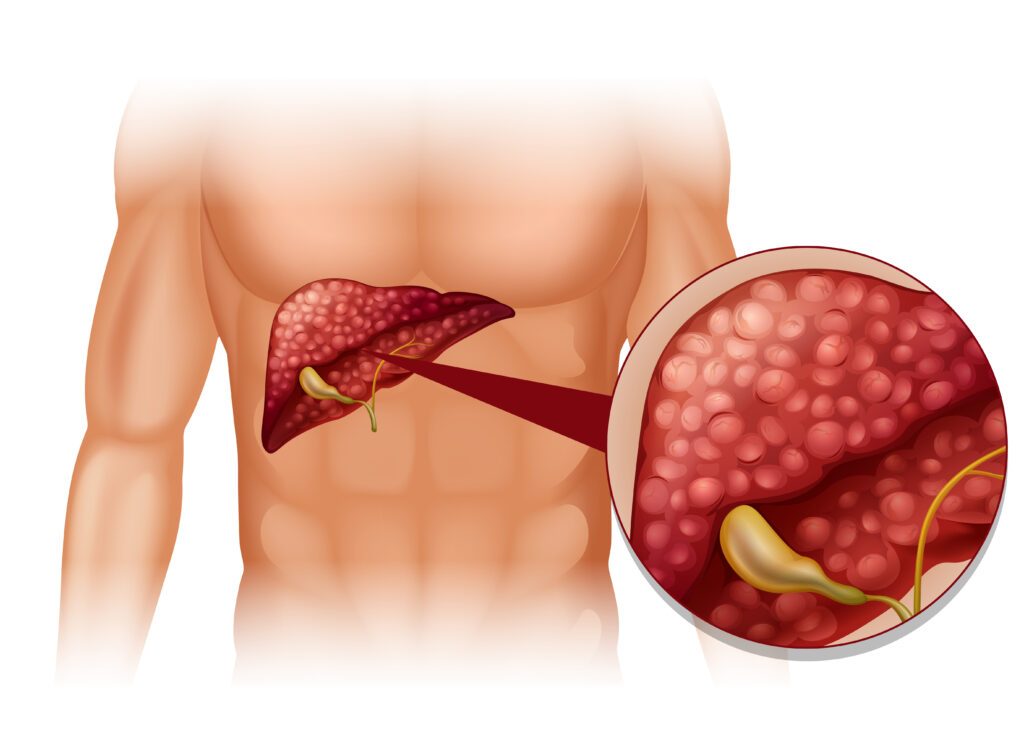
The Road to Recovery After a Liver Transplant
Liver transplant recovery is a gradual process that looks slightly different for every patient. In the first few weeks, rest, regular follow-ups, and carefully managing medications are the priorities. Most patients are able to return to normal activities in a few months, with many experiencing improved energy levels and overall health compared to before surgery.
At King’s Transplant Centre, patients are supported with tailored recovery plans that focus on:
- Medication management to prevent rejection of the new liver.
- Nutritional guidance to strengthen the body and promote healing.
- Physical rehabilitation to rebuild stamina and strength.
- Emotional support to help patients and families adjust to this new phase of life.
This holistic approach ensures recovery is not only about healing the body but also about restoring confidence and quality of life.
Liver Transplant Survival Rate: A Positive Outlook One of the most encouraging aspects of liver transplantation is the high survival rate. Globally, the 1-year survival rate is estimated to be around 85–90%, and the 5-year survival rate is between 70–80%. |
Life Span After Liver Transplant
Many patients wonder how long they can live after a liver transplant. With proper care, it is possible to live for decades with a healthy liver. In fact, studies show that a significant number of patients live 20 years or more following their surgery. By following medical advice, staying active, and making healthy lifestyle choices, patients often find themselves living fuller, healthier lives than they imagined possible before their transplant.
Liver Donor Life Expectancy: A Gift That Doesn’t Shorten Life
For those who consider becoming a living liver donor, it is natural to ask whether donation affects life expectancy. Research shows that donating a portion of the liver does not shorten a donor’s life span. The liver has an exceptional ability to regenerate, and most donors recover within weeks and return to their normal activities.
At King’s Transplant Centre, donors are thoroughly evaluated, supported, and cared for before, during, and after the procedure, ensuring both their safety and peace of mind.
Success Rate of Liver Transplant
The success rate of liver transplant surgery has gone up dramatically over the years due to advancements in medical science, better post-operative care, and refined surgical expertise.
At King’s Transplant Centre, the success rate is among the highest in the region, thanks to a combination of world-class facilities, experienced surgeons, and a strong focus on individualized care. Success is not just measured by the surgery itself but by how patients thrive in the years that follow.
Nutrition: Fruits to Avoid After Liver Transplant
Diet plays a critical role in post-transplant care. While most fruits are safe and beneficial, certain ones should be avoided due to the risk of infection or interactions with medications.
For example:
- Grapefruit and pomelo can interfere with immunosuppressant medications.
- Unwashed or unpeeled fruits may expose patients to harmful bacteria.
At King’s Transplant Centre, patients receive detailed nutritional plans that emphasize balanced meals, safe food choices, and hydration, making healthy eating easier and stress-free.
Skin Changes After Liver Transplant
It’s common for patients to notice changes in their skin after a liver transplant. These may include dryness, acne, or increased sensitivity due to medications.
While these changes are generally temporary, patients are encouraged to:
- Keep the skin moisturized.
- Use sun protection to prevent sensitivity.
- Consult their care team if they notice unusual changes.
King’s Transplant Centre’s multidisciplinary team includes dermatology support to help patients manage such changes comfortably, ensuring they feel confident in their own skin during recovery.
Embracing a Healthy Lifestyle
Beyond surgery and medication, lifestyle plays a huge role in ensuring the long-term success of a liver transplant.
Patients are guided to:
- Avoid smoking and alcohol, as these can harm the liver.
- Exercise regularly to maintain a healthy weight and boost energy levels.
- Stay up-to-date with medical check-ups, ensuring early detection of any concerns.
- Adopt stress management techniques such as meditation, yoga, or counseling to support mental health.
At King’s Transplant Centre, our team works closely with patients to create sustainable lifestyle plans that make these changes practical and achievable.
Emotional and Social Well-being
Life after a liver transplant is not just about physical health; it’s also about rediscovering joy, purpose, and connection. Many patients report feeling grateful and motivated to embrace life more fully after their surgery. Support groups, counseling, and community resources offered at King’s Transplant Centre help patients and their families feel supported throughout their journey.
Overview
Liver Transplant Recovery: Looking Ahead With Confidence
A liver transplant is not the end of the road; it is the beginning of a new, healthier chapter. With advancements in medicine, strong survival rates, and all-inclusive post-operative care, patients can expect to live many fulfilling years ahead.
King’s Transplant Centre is committed to being more than just a surgical facility. We are partners in your journey, offering expert care, compassionate support, and guidance for every stage of life after a liver transplant.
Key Takeaway: Life after a liver transplant is full of promise. With the right care, diet, and lifestyle, patients can enjoy long, healthy, and fulfilling lives.
FAQs
How long do liver transplants last?
A liver transplant can last for decades with proper care, regular check-ups, and healthy lifestyle choices.
How long can you live after a liver transplant?
Many patients live 20 years or more after a transplant, often enjoying a better quality of life than before.
Is liver transplant safe?
While it is a major surgery, liver transplants are considered safe when performed at specialized centers with experienced teams.
Can I live a normal life after a liver transplant?
Yes, most patients return to work, family life, and daily activities once recovery is complete.
Are there dietary restrictions after liver transplant?
Yes, some foods like grapefruit should be avoided, and a balanced, safe diet is recommended to protect the new liver.