


A kidney transplant is a life-changing surgery that can bring you more energy, better health, and greater freedom. Completing the operation is a big step, but your long-term health depends on how well you care for yourself during recovery at home.
Proper post-operative care ensures that your new kidney functions optimally, reduces the risk of rejection, and helps you return to your daily routine safely.
This guide walks you through everything you need to know about life after kidney transplant, from managing medications to understanding your kidney transplant recovery time, so you can navigate your healing journey with clarity and confidence.
Why post-surgery care matters?
A kidney transplant is a major surgery. Your body needs to adjust to a new organ and strong medications. Following these instructions will help you:
- Prevent organ rejection and ensure graft longevity.
- Reduce the risk of post-surgical infections.
- Manage the side effects of immunosuppressant medications.
- Optimize the overall kidney transplant recovery time.
Understanding your kidney transplant recovery times
Every patient heals at a different pace, but understanding the general timeline helps set realistic expectations for life after kidney transplant.
For the transplant recipient
Most people stay in the hospital for 5 to 7 days after their transplant. The first six weeks are the most demanding part of recovery. You will probably notice more energy within 2 to 3 months, but full healing inside your body can take up to six months.
Kidney donation recovery for living donors
If you have given the gift of life by living donor, your kidney donation recovery is typically shorter. Most donors are discharged within 3 days and can return to non-strenuous work within 2 to 4 weeks. To prevent a hernia at your incision site, do not lift anything heavy for the first 6 weeks after your donation.
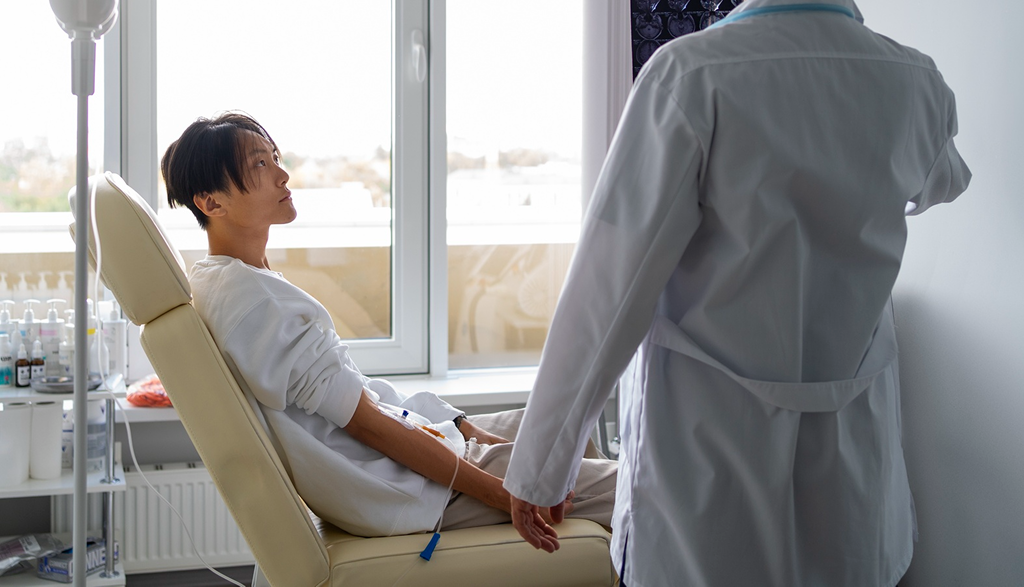
Essential instructions for life after kidney transplant
Medication management
The cornerstone of a successful transplant is strict adherence to your medication schedule. You will be prescribed immunosuppressants (anti-rejection drugs) to prevent your body from attacking the new kidney.
- Consistency is key: Take your pills at the same time every day.
- Avoid NSAIDs: Do not take ibuprofen or naproxen, as these can be toxic to your new kidney.
- No herbal supplements: Many herbal teas and supplements interfere with transplant medications. Always consult your liposuction doctor in Dubai or your transplant team before adding anything new.
Surgical wound care
Keep your incision clean and dry. You can shower once your surgeon says it is okay, usually about 48 hours after surgery. Do not soak in bathtubs or pools for at least 4 weeks.
- Observe for infection: Check daily for redness, warmth, or unusual drainage.
- Support the incision: Hold a small pillow against your incision when you cough, sneeze, or move to help support it.
Kidney Transplant Services
Meet Our kidney specialists in Dubai


Finding the best sleeping position after kidney transplant
Getting comfortable rest is important for healing, but many people find it hard to find a good sleeping position after abdominal surgery.
- On your back: This is the most recommended sleeping position after kidney transplant during the first few weeks, as it keeps the weight off the incision.
- Side sleeping: If you need to sleep on your side, use the side opposite your new kidney and put a pillow between your knees for support.
- Avoid your stomach: Do not sleep on your stomach until your surgeon says your incision is fully healed, which is usually after 6 to 8 weeks.
Activity and lifestyle guidelines
- Physical activity: Begin walking as soon as you can. Walking helps prevent blood clots and supports digestion. Do not lift anything heavier than 5 kilograms for the first 6 weeks.
- Driving: You should not drive for at least 4 weeks or while taking narcotic pain medications. Your reaction time and ability to “brake” suddenly may be compromised.
- Nutrition: Drink plenty of water, usually 2 to 3 liters a day, to help your kidney work well. Avoid grapefruit and Seville oranges because they can interact with your transplant medications.
When to contact King’s Transplant Centre immediately?
It is important to act quickly. Call your transplant coordinator if you have any of the following:
- A fever over 38°C (100.4°F).
- Sudden weight gain (more than 1kg in a day).
- Decreased urine output or pain over the kidney site.
- Flu-like symptoms, redness at the incision, or persistent vomiting.
Why choose King’s Transplant Centre?
At King’s Transplant Centre, we don’t just perform surgeries; we partner with you for a lifetime of health. Our world-renowned surgical team and dedicated transplant coordinators provide a seamless, patient-centric experience.
We specialize in cutting-edge techniques that minimize kidney donation recovery and recipient healing times, ensuring your transplant delivers the best possible long-term results.
Begin your new life with expert guidance
Your journey to better health continues after you leave the hospital. With expert support and a dedicated transplant team, you can recover with confidence. Schedule your follow-up appointment with our specialist transplant team today!
Post Surgery Kidney FAQs
How long is the kidney transplant recovery time?
Most people can return to their normal activities within 8 to 12 weeks. You will keep seeing your transplant team regularly to make sure your kidney stays healthy.
Is kidney donation recovery painful for the donor?
Donors may feel some soreness where the incision was, but pain medicine helps manage this. Most donors say they feel back to normal within a month.
What is the safest sleeping position after kidney transplant?
Sleeping on your back is safest. Side sleepers should use pillows for support to avoid rolling onto the side of the kidney transplant.
Can I travel during my kidney transplant recovery time?
It is best to avoid travel for the first 3 to 6 months. This gives your body time to adjust to your medications and lowers your risk of infection or rejection.