
Can Liver Damage Be Reversed?
Complete Guide to Fatty Liver Recovery & Healing Signs
Fatty liver disease has recently become increasingly common across all age groups, often detected by chance during routine blood tests or abdominal scans. Most people feel completely well at the time of diagnosis, which makes the news confusing and, at times, worrying. Naturally, the first concern many patients express is whether the damage can be undone.
There is a reassuring side to this diagnosis. The liver is one of the few organs in the body that can repair itself, particularly in the early phases of fatty liver disease. When the cause is clearly identified and addressed in time, noticeable improvement can occur. Results depend largely on how soon the problem is detected, how closely medical guidance is followed, and whether healthy habits are sustained over the long term.
At King’s Liver Transplant Centre of Excellence in Dubai, each patient is assessed in detail to determine the exact extent of liver involvement. This step is important. A precise understanding of the stage of disease enables the team to outline a focused, personalized plan that aims to halt progression and, whenever possible, support the liver’s natural recovery.
Understanding Fatty Liver Disease
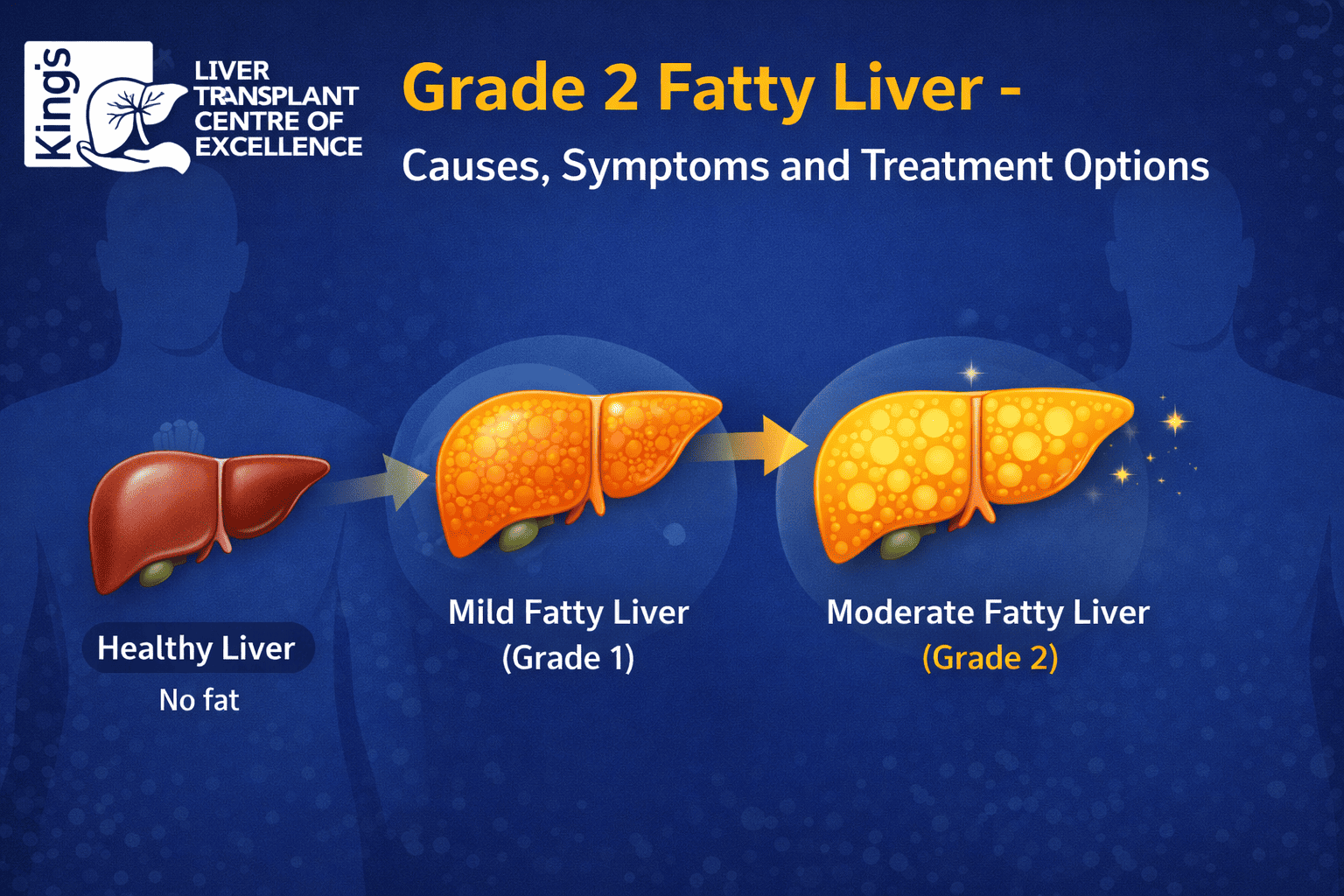
Fatty liver disease develops when excess fat builds up inside liver cells. It may be linked to obesity, type 2 diabetes, high cholesterol, or long-term alcohol intake. In its earliest stage, known as steatosis, fat accumulation causes little structural damage. This stage is often fully reversible.
If inflammation develops, the condition may progress to fibrosis, where scar tissue begins to form. With continued injury, advanced scarring known as cirrhosis may occur. Cirrhosis significantly affects function and is more difficult to reverse.
The earlier the diagnosis, the greater the chance of recovery.
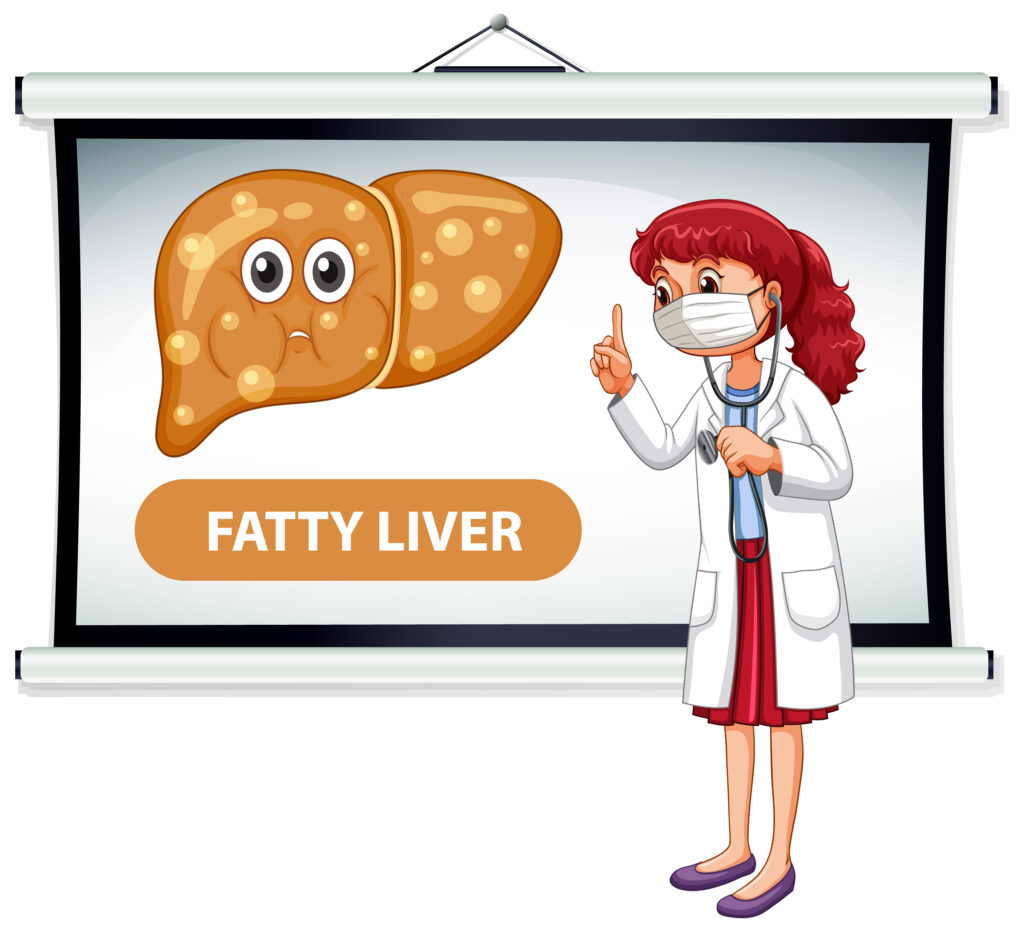
Can liver damage be reversed in Fatty Liver?
Yes, especially in the early stages.
When fatty liver is still in its early stage and has not caused significant scarring, the liver often has a real chance to recover. Once the strain on it is reduced, the cells begin to repair themselves. Losing excess weight, keeping blood sugar steady, eating sensibly, and stopping alcohol can gradually improve liver blood tests and scan results. Many patients see clear changes over time when these steps are followed consistently.
Mild fibrosis can also improve if the source of inflammation is addressed. When the ongoing injury stops, the liver may soften, and some of the early scar tissue can lessen. The earlier this is managed, the better the response tends to be.
Advanced cirrhosis is different. At that point, the liver’s structure has been significantly altered. Treatment can slow further damage and help maintain function, but returning the liver to complete normality is rarely possible. Careful follow-up becomes important to detect and manage complications early.
Fatty Liver Treatment: What actually works?
There is no single tablet that cures fatty liver. Effective fatty liver treatment focuses on correcting the root causes.
Treating fatty liver disease does not begin with a single prescription. It begins with correcting the factors that caused the strain in the first place. The liver responds best when daily habits change in a steady, realistic way rather than through extreme or short-term efforts. Recovery depends on consistency and medical supervision.
The core steps usually include:
- Gradual, sustained weight loss rather than rapid dieting
- Cutting back on refined sugars, packaged snacks, and heavily processed meals
- Engaging in regular physical activity, even simple daily brisk walking
- Careful control of diabetes and cholesterol levels
- Complete avoidance of alcohol if there is liver inflammation
- Appropriate medical treatment for hepatitis or other underlying liver conditions
When these measures are followed under proper guidance, many patients notice improvement in blood tests and imaging over time. The liver responds quietly, but steadily, when the stress on it is reduced.
In selected patients, medications may be prescribed to manage metabolic disorders or inflammation. Advanced diagnostics such as liver elastography, MRI, and biopsy help determine the stage of disease and guide therapy.
At King’s Liver Transplant Centre, patients benefit from coordinated care involving hepatologists, transplant surgeons, nutrition specialists, and advanced imaging teams. Early-stage disease is managed aggressively to prevent progression toward liver failure.
How to make your liver healthy again?
Improvement does not happen overnight. The liver heals gradually. Small but consistent changes often produce meaningful results.
To make your liver healthy again:
- Maintain a healthy body weight
- Follow a balanced diet rich in vegetables, lean proteins, and whole grains
- Limit sugary beverages and processed foods
- Exercise at least five days per week
- Avoid alcohol entirely if liver inflammation is present
- Take prescribed medications regularly
- Attend scheduled follow-up appointments
Even modest weight reduction of 5 to 10 percent can significantly reduce liver fat and inflammation.
Signs your liver is healing
Many patients ask how they will know whether improvement is occurring. Healing is often reflected in medical tests rather than in obvious physical symptoms.
Common signs your liver is healing include:
- Improvement in liver enzyme blood tests
- Reduced liver stiffness on elastography
- Decreased fat accumulation on imaging
- Improved energy levels
- Better blood sugar and cholesterol control
In early fatty liver, these changes may appear within months when lifestyle measures are followed consistently.
Life expectancy with Fatty Liver Disease
Life expectancy with fatty liver disease depends largely on stage and associated conditions. Individuals diagnosed with fatty liver or the early fibrosis stage who adopt healthy habits often have a normal life expectancy.
Risk increases when fatty liver progresses to cirrhosis, especially if complications such as fluid accumulation, jaundice, internal bleeding, or liver cancer develop. Regular monitoring is crucial in identifying progression early.
With modern diagnostics, structured medical care, and lifestyle correction, most patients with early disease can avoid advanced complications.
Also Read- 7 Signs Your Liver is Dying
When is a Liver transplant considered?
A liver transplant is reserved for advanced liver failure, severe cirrhosis with complications, or certain cases of liver cancer. It is not required for simple fatty liver disease.
At King’s Liver Transplant Centre of Excellence, which has a proven success rate exceeding 95 percent in transplantation, the priority is always prevention. A transplant is considered only when the liver can no longer sustain essential functions despite medical therapy.
Early diagnosis often eliminates the need for such advanced intervention.
Why choose King’s Liver Transplant Centre of Excellence?
Choosing the right liver center can shape the course of your treatment and recovery. Experience, infrastructure, and coordinated care make a meaningful difference in outcomes.
- Over 95 percent success rate in liver transplantation
- UK-standard liver care delivered in Dubai
- Dedicated hepatology and transplant specialists under one roof
- Advanced diagnostics, including MRI, CT, and liver elastography
- Comprehensive care from early liver disease to complex transplant cases
- Specialized pediatric and living donor transplant expertise
- Multidisciplinary support including transplant coordinators and critical care teams
- International patient services with structured pre- and post-treatment guidance
Every stage of care, from diagnosis to long-term follow-up, is handled with clinical precision and patient focus. When liver health is at stake, structured expertise and timely intervention matter.
Overview
Take action before liver damages completely
Fatty liver disease often develops without causing obvious discomfort. Many people feel entirely fine while changes are quietly taking place inside the liver. Because this organ can continue functioning despite stress, damage may go unnoticed for years until more serious problems begin to surface. That is why early attention matters, even when there are no clear symptoms.
If you live with obesity, diabetes, elevated cholesterol, or consume alcohol regularly, a structured liver assessment is worth considering. Identifying fatty liver at an early stage creates an opportunity to reverse damage and prevent long-term complications.
At King’s Liver Transplant Centre of Excellence in Dubai, patients undergo thorough evaluation using advanced imaging and specialist-led assessment to determine the exact stage of disease. Treatment plans are individualized and focused on restoring function wherever possible while preventing progression.
Schedule a consultation and take a practical step toward protecting and strengthening your liver health.