
Emergency vs. Planned Liver Transplant: Key Differences in Treatment Approach

The Global Observatory on Donation and Transplantation reported 41,111 liver transplants yearly, each one a race against time to save a life.
Yet not all transplants follow the same path. While some patients undergo months of evaluation and preparation, others find themselves in emergency surgery within hours due to sudden liver failure.
Liver transplants can be either planned (elective) or emergency, and the difference between the two goes far beyond timing; it shapes the risks, recovery, and overall success of the procedure.
In this blog, you will learn about the key differences between emergency and planned liver transplants, how timing affects survival and long-term outcomes, the factors that determine the type of transplant, and why early diagnosis can significantly improve the chances of success.
What Is a Liver Transplant?
A liver transplant is a surgical procedure in which a damaged or failing liver is replaced with a healthy one from a donor. The donor may be:
- A living donor, where a part of the liver is transplanted.
- A deceased donor, where the entire liver is used.
Because the liver has the remarkable ability to regenerate, both the donor’s and recipient’s livers can regrow to normal size within a few months.
Why Is a Liver Transplant Needed?
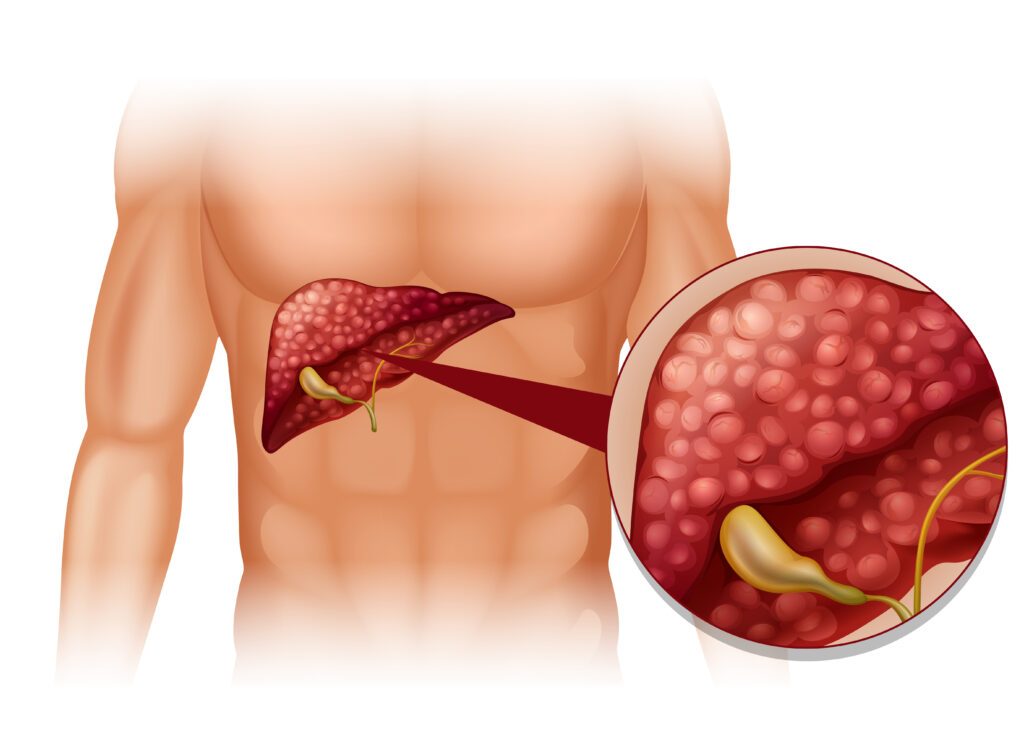
A liver transplant is required when the liver is too damaged to function correctly, and other treatments can no longer help. The liver is essential for:
- Detoxifying the blood by removing harmful substances.
- Producing proteins that help in blood clotting and other vital functions.
- Supporting metabolism and nutrient storage.
- Regulating digestion through bile production.
A transplant may be needed for:
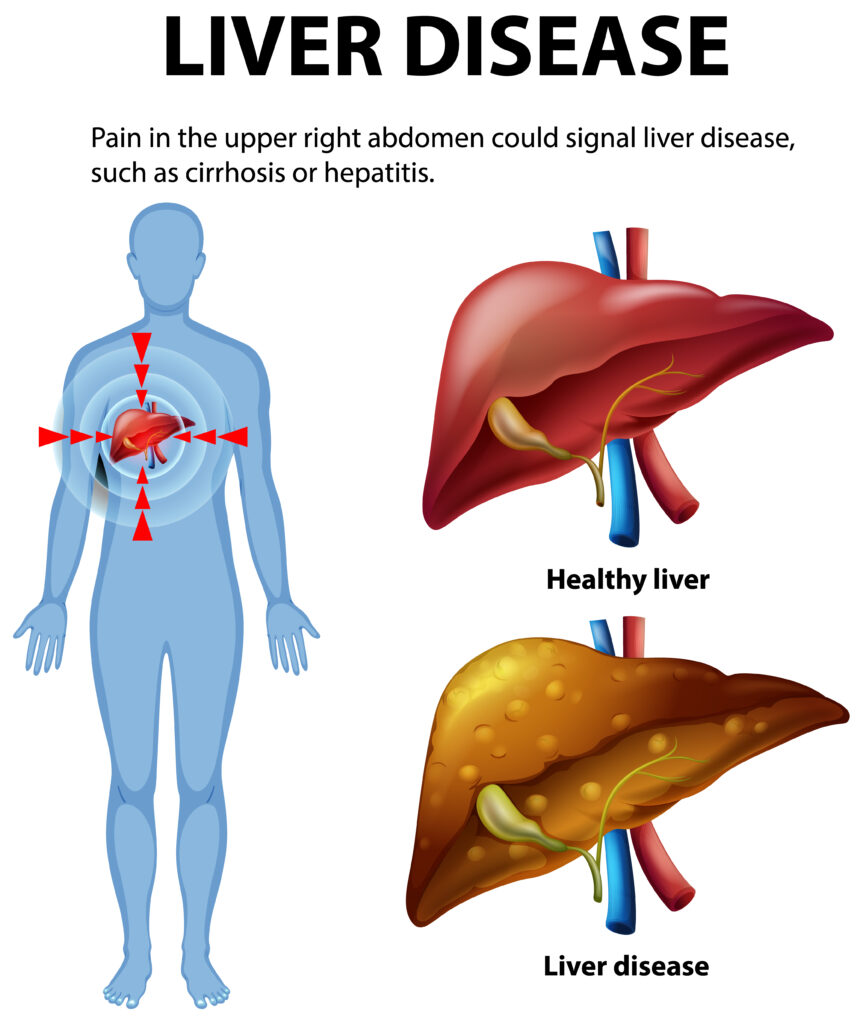
- Cirrhosis caused by chronic hepatitis B or C, or alcohol-related damage.
- Fatty liver disease or nonalcoholic steatohepatitis (NASH).
- Autoimmune or genetic liver disorders.
- Acute liver failure from toxins, infections, or drug overdose.
In many cases, a liver transplant is the only life-saving solution once the liver loses its ability to heal or regenerate on its own.
Why the Timing of a Liver Transplant Matters
The liver performs vital tasks such as detoxification, metabolism, and protein production for clotting. When it fails, a transplant becomes the only life-saving option.
There are two types of liver transplants:
- Planned (Elective) Liver Transplants: Conducted when a patient’s liver disease progresses gradually.
- Emergency Liver Transplants: Performed urgently when liver function collapses suddenly, leaving no time for preparation.
Planned Liver Transplant: A Controlled, Optimized Process
Planned liver transplants are performed for patients with chronic liver conditions like cirrhosis, hepatitis B or C, alcoholic liver disease, or fatty liver disease. The procedure allows time for proper evaluation and donor matching.
Key features include:
- Comprehensive assessment: Weeks of tests such as blood work, imaging, heart and lung evaluations, and nutritional analysis to ensure the patient is fit for surgery.
- Structured donor planning: The patient is placed on a waiting list or prepared for a living donor liver transplant, ensuring compatibility and readiness.
- Optimized health: Pre-surgery stabilization with medicines, diet, and therapy minimizes the risk.
- Coordinated care: Surgeons, anesthetists, and ICU teams plan the procedure with precision.
Because every step is calculated, liver transplant success rates are higher, recovery is faster, and the liver transplant life expectancy improves significantly.
Emergency Liver Transplant: Racing Against Time
An emergency transplant is a high-stakes procedure, often required in acute liver failure caused by conditions such as viral hepatitis, toxin exposure, or drug overdose.
Defining features:
- Rapid evaluation: Tests and scans are completed within hours to confirm eligibility.
- Immediate donor need: Either a living donor steps forward or a compatible liver is found from the deceased donor pool.
- Unstable health: Patients may already be on ventilators, dialysis, or medications to maintain organ function.
- Higher surgical risk: Because of multi-organ involvement, complications are more common.
Despite these challenges, emergency transplants save countless lives every year.
Key Differences Between Emergency and Planned Transplants
Aspect | Planned Transplant | Emergency Transplant |
Timeline | Scheduled over weeks or months | Performed within hours or days |
Patient Condition | Stable and optimized | Critically ill and unstable |
Donor Process | Organized matching or waitlist | Immediate donor or allocation |
Surgical Risk | Lower | Higher |
Preparation level | Comprehensive | Minimal but urgent |
Success Rate | 85–90% (1-year survival) | 60–75% (1-year survival) |
Why Emergency Liver Transplants Are Riskier
When the liver fails abruptly, multiple organs begin to shut down:
- Kidneys: Toxin buildup may cause kidney failure, often requiring dialysis before surgery.
- Brain: Toxins like ammonia can trigger confusion or coma, known as hepatic encephalopathy.
- Blood clotting: The liver produces clotting proteins; without them, even minor bleeds become dangerous.
- Infections: Immune defenses are weakened, raising the risk of complications post-surgery.
Each of these factors adds to the surgical and recovery challenges, impacting both the liver transplant success rate and short-term outcomes.
Emotional and Ethical Challenges
Planned transplants allow patients and families to prepare emotionally and financially. In contrast, emergency transplants often happen under immense stress, with families forced to make life-altering decisions instantly.
Doctors must balance fairness in donor allocation with the urgency of saving a life, making ethics a vital part of transplant medicine.
Recovery and Long-Term Outlook
While both transplant types can restore normal life, recovery differs:
- Planned transplants often result in quicker rehabilitation and a better quality of life.
- Emergency transplants require longer ICU stays and more intensive follow-up.
If you are wondering, ‘’How long can you live after a liver transplant?’’, both the emergency and planned liver transplants save lives, but preparation and timing strongly influence success.
In most cases, transplanted livers can function for 15–20 years or more, depending on the individual’s health and compliance with medication.
Financial Considerations
The liver transplant surgery cost varies by hospital and complexity. Emergency transplants usually cost more due to ICU care and more extended hospitalization.
At King’s Transplant Centre, patients benefit from transparent pricing and financial counseling to plan for every aspect of care.
Checking Liver Health Early
Prevention and early detection can delay or even prevent the need for a transplant.
- How to check liver health: Regular liver function tests (LFTs), ultrasound scans, and elastography.
- Warning signs: Fatigue, jaundice, swelling, and confusion warrant immediate medical attention.
Overview
King’s Liver Transplant Centre of Excellence
As the first-ever liver transplant centre in Dubai, King’s College Hospital’s Transplant Centre pioneers adult and pediatric liver transplants in the UAE.
Why choose King’s Liver Transplant Centre of Excellence:
- Over 95% transplant success rate
- Multidisciplinary expertise from specialists trained at King’s College Hospital London
- Comprehensive care from diagnosis to recovery
- Advanced facilities for minimally invasive and microsurgical procedures
- Living donor and split cadaveric transplants to reduce wait times
- Dedicated international patient services with travel, visa, and accommodation support
From diagnostics to long-term follow-up, we provide personalized, evidence-based liver care supported by research and innovation at the forefront of global hepatology.
Early Evaluation Can Save Lives
At King’s Liver Transplant Centre, our goal is simple to give every patient the best possible chance at recovery, whether in crisis or through careful planning.
If you or a loved one has liver disease, do not wait for an emergency. Early evaluation can be the difference between a safe and successful surgery and a life-threatening situation.
Book a consultation today with King’s Transplant Centre, Dubai, where expertise meets compassion, and every liver transplant counts.