
Signs Your Liver is Dying
The liver is one of the most vital organs in the body, yet liver disease often develops silently. Many people ignore the early signs of liver failure until the condition becomes severe.
If you are wondering what are the first signs of a bad liver or how to know your liver is healthy, this guide will help you identify the most important liver damage symptoms you should never ignore.
Recognising these warning signs early can help prevent complications and improve outcomes with timely medical care.
7 Signs Your Liver is Dying
- Persistent fatigue and weakness
- Loss of appetite and weight loss
- Yellowing of skin or eyes (jaundice)
- Swelling in abdomen or legs
- Easy bruising or bleeding
- Dark urine or pale stools
- Mental confusion or poor concentration
What is Liver Damage and Cirrhosis?
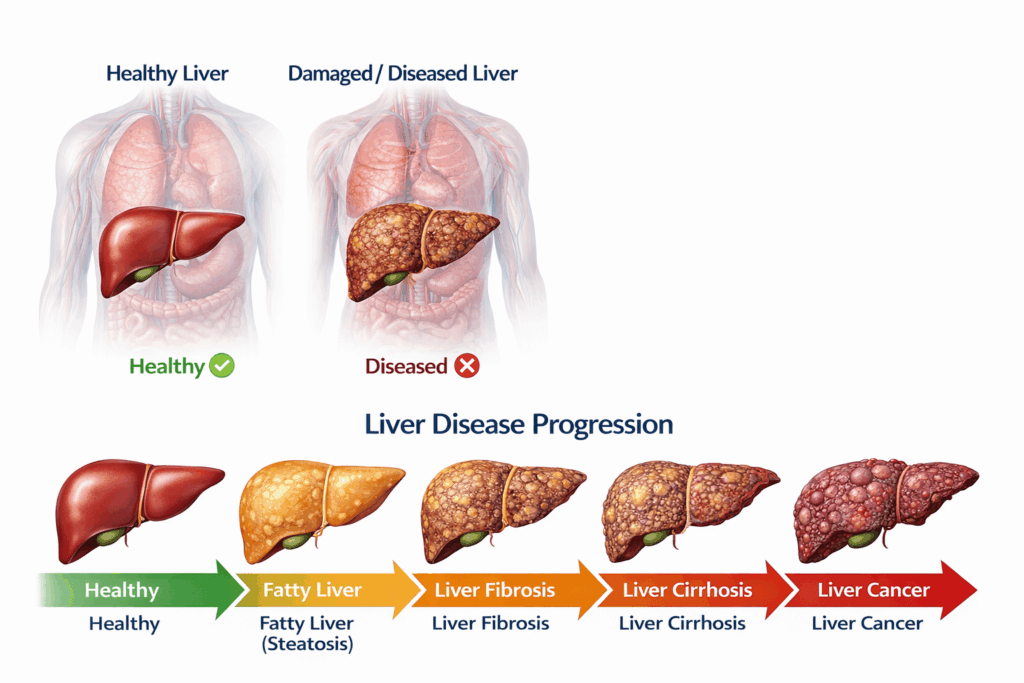
Liver damage occurs when healthy liver tissue is gradually replaced with scar tissue, a condition known as cirrhosis. This affects the liver’s ability to function properly.
In early stages, liver damage can often be slowed or even partially reversed with proper treatment and lifestyle changes. However, if left untreated, it may progress to liver failure.
Understanding the signs your liver is struggling is essential for early diagnosis and effective treatment.
This is why awareness matters. Let’s explore the key signals your body may show when your liver needs medical attention.
1. Persistent Fatigue and Weakness
Feeling tired occasionally is normal, but ongoing exhaustion that doesn’t improve with rest may be one of the earliest signs of liver damage. When the liver struggles, it cannot efficiently process nutrients or remove toxins, leading to low energy levels.
Many patients at King’s Transplant Centre report feeling noticeably better once the underlying liver condition is identified and treated appropriately.
2. Loss of Appetite and Unexplained Weight Changes
A struggling liver can affect digestion and metabolism, leading to reduced appetite, nausea, or unintended weight loss. Some people may also notice early fullness or bloating.
These symptoms often develop gradually and are easy to overlook, but when addressed early, they offer an opportunity for timely intervention.
3. Yellowing of the Skin or Eyes (Jaundice)
Jaundice occurs when the liver is unable to process bilirubin effectively. This may cause a yellow tint in the eyes or skin. While it sounds concerning, jaundice is a visible sign that encourages many patients to seek care, and early evaluation often leads to effective management.
At King’s Transplant Centre, advanced diagnostic tools help determine the cause and guide appropriate treatment.
4. Swelling in the Abdomen or Legs
Fluid buildup in the abdomen (ascites) or swelling in the legs and ankles may indicate changes in liver function. This typically happens when the liver can no longer regulate fluid balance effectively.
These symptoms are manageable with medical care, dietary adjustments, and close monitoring by liver specialists.
5. Easy Bruising or Bleeding
The liver produces proteins that are vital for blood clotting. When liver function declines, bruising may occur more easily, or bleeding may take longer to stop.
While this can be worrying, it also provides an early signal that prompts further evaluation and treatment planning.
6. Changes in Urine or Stool Color
Dark urine or pale stools may indicate that bile flow is affected. These changes are subtle but important clues among the signs your liver is struggling.
Early assessment helps identify whether the issue is temporary, treatable, or requires specialized care.
7. Mental Confusion or Difficulty Concentrating
In more advanced cases, toxins that the liver normally filters may affect brain function, leading to mild confusion, forgetfulness, or difficulty focusing. This condition, known as hepatic encephalopathy, can often be improved with treatment and close medical supervision.
How to Know Your Liver is Healthy
A healthy liver usually does not cause noticeable symptoms. Signs of good liver health include:
- Stable energy levels
- Normal digestion
- No jaundice
- No swelling in abdomen or legs
- Clear mental focus
Regular health check-ups and liver function tests are the best ways to confirm liver health.
Stages of Liver Disease: Compensated vs Decompensated Cirrhosis
Cirrhosis develops in stages:
- Compensated cirrhosis means the liver is damaged but still performing most of its functions. Many people have few or no symptoms at this stage.
- Decompensated cirrhosis occurs when the liver can no longer cope, leading to noticeable symptoms such as fluid buildup, jaundice, or confusion.
Understanding this distinction is important because outcomes are significantly better when cirrhosis is identified during the compensated stage.
Can early stage Cirrhosis be reversed?
A common and hopeful question is: can early stage cirrhosis be reversed? While scar tissue itself may not fully disappear, further damage can often be stopped, and liver function can improve significantly when the cause is addressed early, whether through medication, lifestyle changes, or specialized treatment.
So, can cirrhosis be reversed? In many cases, progression can be slowed or stabilized, allowing individuals to live full and active lives.
When Should You See a Liver Doctor?
You should seek medical help if you notice:
- Yellowing of eyes or skin
- Persistent fatigue
- Abdominal swelling
- Sudden weight loss
- Confusion or memory issues
Early intervention can be life-saving.
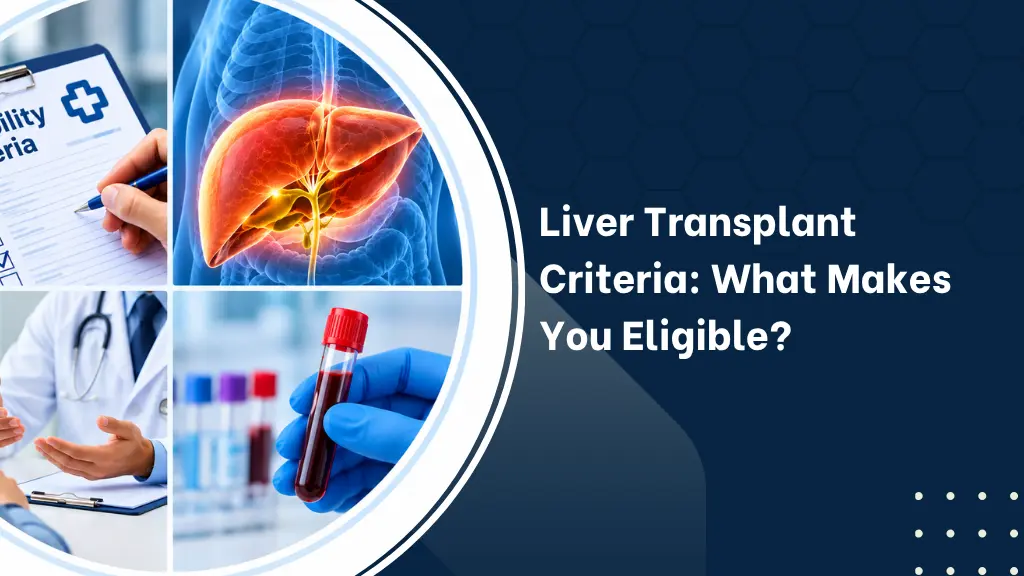
When is Liver Transplant considered?
For advanced liver disease, a transplant may be the most effective solution. King’s Transplant Centre offers comprehensive liver transplant services, including evaluation, transplant surgery, and long-term follow-up care. The centre’s multidisciplinary team supports patients at every step, focusing not just on survival, but quality of life.
Importantly, many patients are managed successfully without immediate transplant, highlighting the value of early diagnosis and expert care.
Frequently Asked Questions (FAQs)
What are the first signs of a bad liver?
The first signs include fatigue, loss of appetite, nausea, and mild abdominal discomfort. These symptoms are often subtle but indicate early liver dysfunction.
What are the early signs of liver failure?
Early signs of liver failure include jaundice, fatigue, swelling, and digestive issues. Identifying these symptoms early can help prevent severe complications.
What are common liver damage symptoms?
Common liver damage symptoms include fatigue, weight loss, jaundice, easy bruising, dark urine, and confusion in later stages.
Can liver damage be reversed in early stages?
Yes, early-stage liver damage can often be reversed or improved with proper treatment and lifestyle changes.
How to know your liver is healthy?
A healthy liver shows no symptoms. Good energy levels, normal digestion, and absence of jaundice indicate proper liver function.
Is fatigue always a sign of liver disease?
Not always, but persistent fatigue along with other symptoms may indicate liver problems and should be evaluated.
Overview
Can liver damage or Cirrhosis be reversed?
Get more insights and adequate support at King’s Transplant Centre
While reading about these symptoms can feel overwhelming, it’s important to remember that liver disease is often manageable, especially when detected early. Advances in medical care mean more options, better outcomes, and renewed hope.
If you or a loved one notice ongoing symptoms or have concerns about liver health, seeking expert guidance can make all the difference.
At King’s Transplant Centre, compassionate care, advanced treatment, and patient education work together to support healthier future.