Liver Cancer

Liver cancer treatment in Dubai

preloader-medicalist

Liver Cancer Treatment in Dubai – Care That Feels Personal

Being told you or a loved one has liver cancer can be one of the most difficult moments in life. At King’s Liver Transplant Centre of Excellence, we don’t just treat cancer, we treat people, with empathy, understanding, and the world-class expertise you’d expect from King’s College Hospital London.

Whether you need a diagnosis, a second opinion, or advanced liver cancer treatment in Dubai, you’ll find hope and help with us. Our experienced team — including some of the Best Liver Doctors in Dubai works together to guide you throughout your journey from diagnosis to recovery.

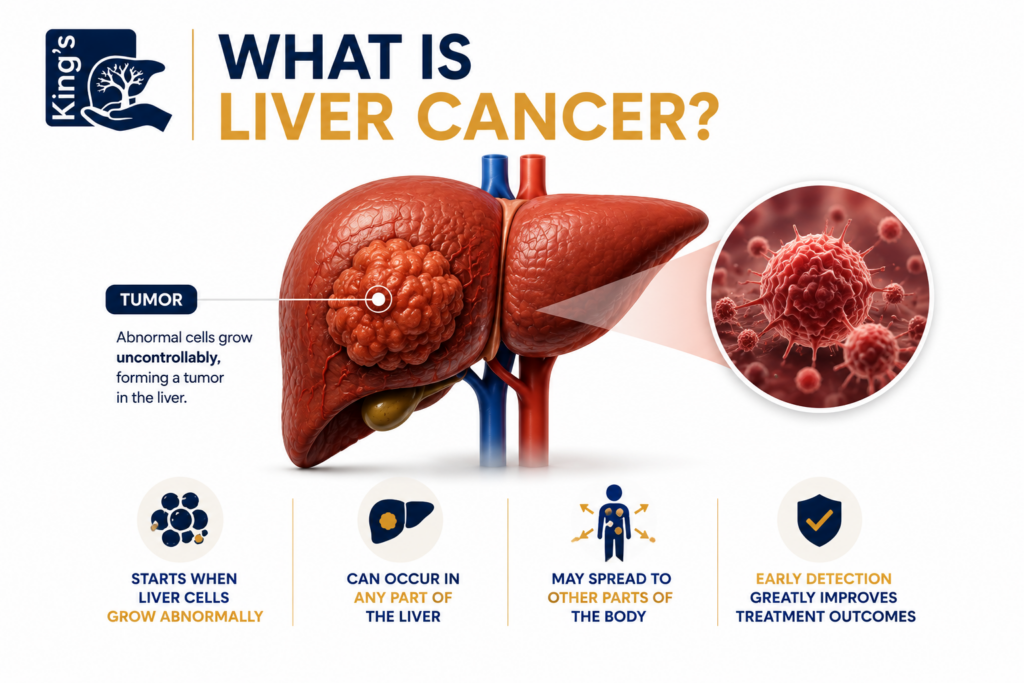
What Is Liver Cancer?

Liver cancer begins when abnormal cells in the liver grow out of control. It may start in the liver (primary liver cancer, such as hepatocellular carcinoma or cholangiocarcinoma) or spread there from another part of the body (secondary or metastatic liver cancer).

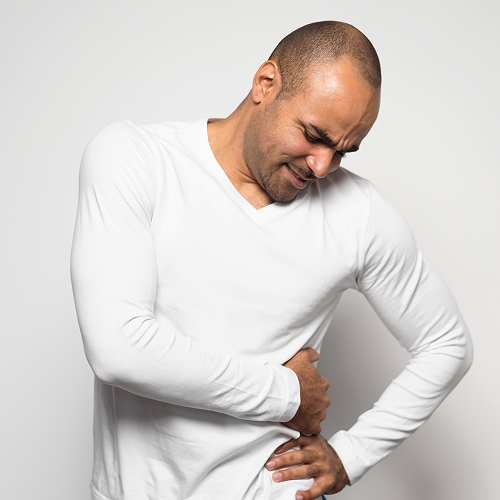
Common Signs to Watch For:

If you notice any of these, talk to the best liver doctor in Dubai— early diagnosis can make a big difference.

Liver Cancer - سرطان الكبد

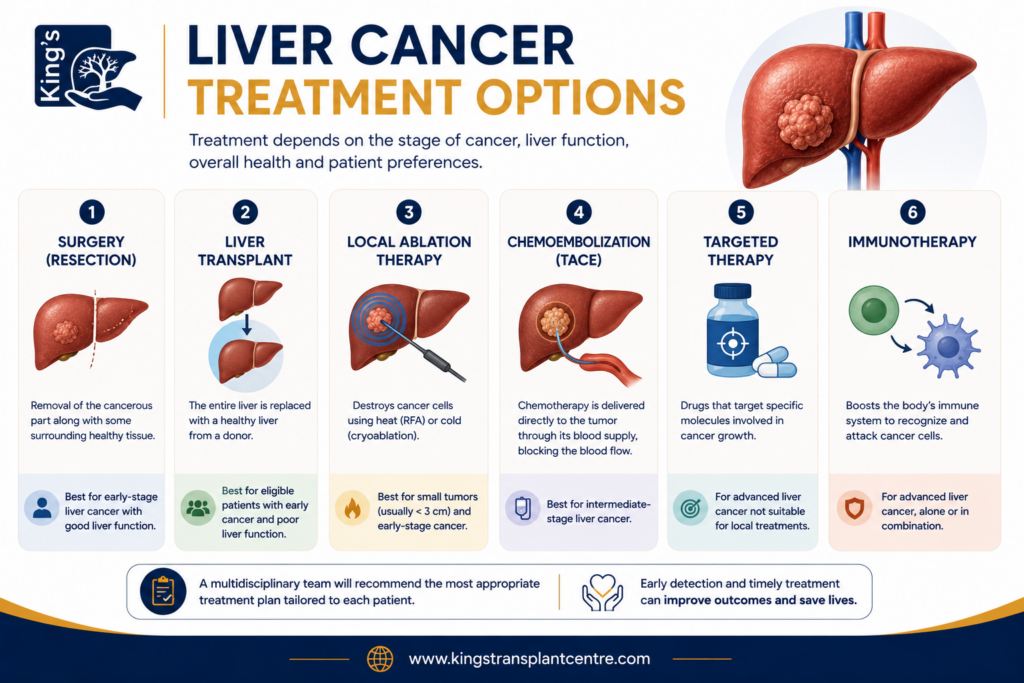
Your Liver Cancer Treatment Options for Liver Cancer Treatment in Dubai

No two people and no two cancers are exactly alike. That’s why our liver specialists take time to understand your specific situation and create a personalized treatment plan that’s just for you.

1. Liver Cancer Surgery

Surgery is often the best way to remove liver tumors. Our experienced liver surgeon in Dubai provides advanced surgical options for liver conditions, including:

2. Liver Transplant

In some cases — especially when liver cancer is linked to cirrhosis — a liver transplant can be a life-saving option. Our team carefully evaluates each case to ensure the best possible outcome.

3. Ablation Therapies

These minimally invasive treatments destroy cancer cells without major surgery:

They’re often used for small tumors, and recovery is usually quick.

4. Embolization Techniques

These methods cut off the blood supply to the tumor, helping to slow or stop its growth:

5. Chemotherapy and Radiation

For advanced cases, we offer:

6. Targeted Therapy and Immunotherapy

These newer treatments use drugs that either block the cancer’s growth signals or help your immune system fight back.

7. Supportive and Palliative Care

We care for the  person — not just the disease. Our supportive care services help manage symptoms, ease discomfort, and improve overall quality of life for patients at every stage.

Liver Cancer

Learn More About Liver Cancer

Early Signs of Liver Cancer You Shouldn’t Ignore

Is Liver Transplant a Cure for Liver Cancer?

The Role of Nutrition During Liver Cancer Treatment in Dubai

Why Patients Trust King’s for Liver Cancer Care

Ready to Take the First Step?

A liver cancer diagnosis can feel overwhelming, but you don’t have to face it alone. Let us help you move forward with expertise, compassion, and a clear, personalised plan.

If you’re seeking Liver Cancer Treatment in Dubai, our team offers comprehensive care supported by advanced diagnostics and modern treatment options. Looking for the best liver doctor in Dubai?

Our specialists are here to guide you every step of the way—from diagnosis to recovery.
Book your consultation today with one of our leading liver experts and take the first step toward healing.

Liver Cancer FAQs

We look at the type and your cancer stage, your overall health, and your preferences. Then we tailor a treatment plan just for you.

Our team includes some of the most respected liver specialists in the region, all trained to international standards.

 Yes — we offer advanced surgical options right here, including minimally invasive techniques.

Liver transplant is an option for certain patients, especially those with cirrhosis and specific types of cancer. We’ll help you understand your options.

It depends on your treatment. We’ll support you with everything from pain relief and nutrition to physical therapy and mental health care.

In very rare cases, liver cancer can be cured, especially when it is diagnosed early. Small tumours that have not spread may be treated successfully with surgery, liver transplant, or ablation.

For patients with early-stage liver cancer and good liver function, treatment can remove the tumour completely. A liver transplant may be the best option to cure when both the cancer and the diseased liver need to be treated.

Even when a cure is not possible, many treatments can control the cancer, reduce symptoms, and help patients live longer and more comfortably. At Kings Transplant Centre, every patient is assessed individually so that the most effective Liver Cancer Treatment in Dubai can be planned.

Surgery is usually recommended when:

  • There is one tumour or only a small number of tumours
  • The cancer is limited to the liver
  • The patient has enough healthy liver tissue left after surgery
  • There is no major spread into important blood vessels or other organs

The two main surgical options are:

  • Liver resection: removing the part of the liver that contains the tumour
  • Liver transplant: replacement diseased liver with a healthy donor liver

Surgery is often considered the best option for suitable patients because it offers the highest chance of long-term control or cure.

A liver transplant may be recommended for people who have liver cancer along with cirrhosis or severe liver damage. In general, patients may be eligible if:

  • There is one tumour smaller than 5 cm
  • Or there are up to 3 tumours, each smaller than 3 cm
  • The cancer has not spread outside the liver
  • There is no major invasion into blood vessels

These are often called the “Milan Criteria.” Patients who do not meet these criteria initially may sometimes become eligible after treatment to shrink the tumour.

At Kings Transplant Centre, transplant specialists carefully evaluate each patient to determine whether a liver transplant is the safest and most effective option.

The side effects depend on the type of treatment:

  • Surgery: pain, tiredness, weakness, temporary loss of appetite, and a recovery period of several weeks
  • Chemotherapy or targeted therapy: nausea, diarrhoea, mouth sores, fatigue, and skin changes
  • Immunotherapy: rash, fever, joint pain, and sometimes inflammation in organs such as the liver or lungs
  • Radiation or embolization treatments: abdominal discomfort, nausea, low-grade fever, and tiredness

Doctors can manage most side effects with medication, nutritional support, and close follow-up. The Best Liver Doctor in Dubai will explain what to expect and how to reduce discomfort before treatment begins.

The recovery process after the treatment depends on the type of surgery, severity, and the patient’s overall health.

  • After laparoscopic or minimally invasive surgery, many patients recover within 2 to 4 weeks
  • After a major liver resection, recovery may take 6 to 12 weeks
  • After a liver transplant, recovery often takes 3 to 6 months

Most people feel tired for several weeks, and it can take time to regain strength and appetite. Gentle walking, proper nutrition, and regular follow-up appointments are important during recovery.

Before treatment begins, doctors usually perform several tests to understand the size of the tumour, liver function, and overall health.

These may include:

  • A blood test that includes a liver function test and AFP (alpha-fetoprotein)
  • CT scan or MRI of the liver
  • Ultrasound of the abdomen
  • PET scan in selected cases
  • Biopsy, if the diagnosis is not clear
  • Tests to assess heart, lung, and kidney function before surgery

These investigations help the team choose the most suitable Liver Cancer Treatment in Dubai and ensure that treatment is as safe as possible.

During treatment, the body needs extra nutrition to maintain strength and support healing.

Foods to include:

  • Lean protein such as fish, eggs, chicken, lentils, and beans
  • Fresh fruits and vegetables
  • Whole grains packed with fiber, such as oats, brown rice, and whole wheat bread
  • Plenty of water and fluids
  • Good fats, including olive oil, nuts, and avocado

Foods to avoid or limit:

  • Alcohol
  • Fried, greasy, or highly processed foods
  • Too much sugar or sugary drinks
  • Raw seafood or undercooked meat
  • Very salty foods, especially if there is liver disease or fluid retention

A dietitian can help create a plan that matches the patient’s appetite and treatment.

Many people worry that treatment will be very painful, but pain is usually manageable.

During surgery or procedures, patients receive anaesthesia or sedation, so they do not feel pain at the time. Afterward, there may be soreness, abdominal discomfort, or tiredness, especially in the first few days.

Doctors use pain-relief medicines and supportive care to keep patients comfortable. Most patients say the fear of treatment is often worse than the actual discomfort.

Survival depends on how early the cancer is found, the type of treatment, and the condition of the liver.

  • Early-stage liver cancer treated with surgery or transplant may have a 5-year survival rate of 60-80% or higher
  • After liver transplant in carefully selected patients, long-term survival can exceed 70-75%
  • More advanced liver cancer may still be controlled for months or years with targeted therapy, immunotherapy, or other treatments

Every patient’s situation is different. The most important factor is early diagnosis and treatment by an experienced team.

After treatment, healthy habits can help the liver recover and lower the risk of complications.

Important changes include:

  • Stop smoking
  • Avoid alcohol completely
  • Maintain a healthy weight
  • Eat a balanced, high-protein diet
  • Walk or exercise gently every day, as advised by the doctor
  • Get enough sleep and manage stress
  • Take medicines exactly as prescribed
  • Attend all follow-up appointments and scans

Small daily improvements often make a big difference in energy levels and recovery.

Not every case can be prevented, but the risk can often be reduced.

You can lower the risk of liver cancer by:

  • Getting vaccinated against hepatitis B
  • Treating hepatitis B or hepatitis C early
  • Avoiding excessive alcohol
  • Maintaining a healthy weight
  • Controlling diabetes and fatty liver disease
  • Avoiding smoking
  • Having regular liver check-ups if you have cirrhosis or chronic liver disease

People with long-term liver disease should have regular scans and blood tests because early detection gives the best chance of successful treatment.

Yes. Fatty liver disease, especially when it becomes severe or causes scarring of the liver, can increase the risk of liver cancer.

Non-alcoholic fatty liver disease (NAFLD) and non-alcoholic steatohepatitis (NASH) are becoming more common because of obesity, diabetes, and poor diet. Over time, these conditions can lead to cirrhosis and increase the chance of developing liver cancer.

Managing weight, diabetes, cholesterol, and diet can help lower this risk.

Yes. Primary biliary cirrhosis, now more commonly called primary biliary cholangitis (PBC), can increase the risk of liver cancer if it leads to severe liver scarring or cirrhosis.

People with advanced PBC should have regular monitoring, including blood tests and liver scans. Detecting changes early makes treatment more effective.

There is no single “liver cancer diet,” but most people benefit from eating foods that support liver function and prevent weight loss.

A healthy diet usually includes:

  • Small, frequent meals
  • High-protein foods to maintain muscle strength
  • Fresh fruits and vegetables
  • Foods low in salt and unhealthy fats

Some patients may need to avoid certain foods depending on their treatment or liver condition. For example, people with fluid retention may need a low-salt diet.

Your doctor or dietitian can guide you based on your individual needs.

People are at higher risk if they have:

  • Cirrhosis of the liver
  • Hepatitis B or hepatitis C infection
  • Fatty liver disease
  • Heavy alcohol use
  • Diabetes or obesity
  • A family history of liver cancer
  • Long-term smoking
  • Certain inherited liver diseases

People with these risk factors should have regular screening. If liver cancer is found early, the chances of successful Liver Cancer Treatment in Dubai are much higher.

For anyone concerned about symptoms or risk factors, seeking advice from one of the best liver doctors in Dubai at Kings Transplant Centre can help provide clarity and peace of mind.

Liver Cancer

Reach out to us

for more information

Feel free to contact me, and I will be more than happy to answer all of your questions.