
Deceased Donor Kidney Transplant
Deceased Donor Kidney Transplant

- Home
- Liver Transplant Services
- Deceased Donor Kidney Transplant
Deceased donor kidney transplant in Dubai offers hope to patients living with advanced kidney failure. At King’s Transplant Centre, patients receive structured evaluation, surgical expertise, and coordinated pre and post-transplant care under the expert supervision of internationally trained specialists within a UK-standard clinical framework in Dubai.
When kidneys fail permanently, dialysis can sustain life, but transplantation often provides better long-term survival, improved energy levels, and greater dietary flexibility. A deceased donor kidney transplant involves placing a healthy kidney from a recently deceased donor into a recipient whose kidneys no longer function adequately.
What is a Deceased Donor Kidney Transplant?
A deceased donor kidney transplant is a surgical procedure where a healthy kidney from a recently deceased person is transplanted into a patient with end-stage kidney disease.
The donor kidney is carefully assessed and preserved under controlled conditions. It is then allocated to the patient through a regulated organ procurement network.
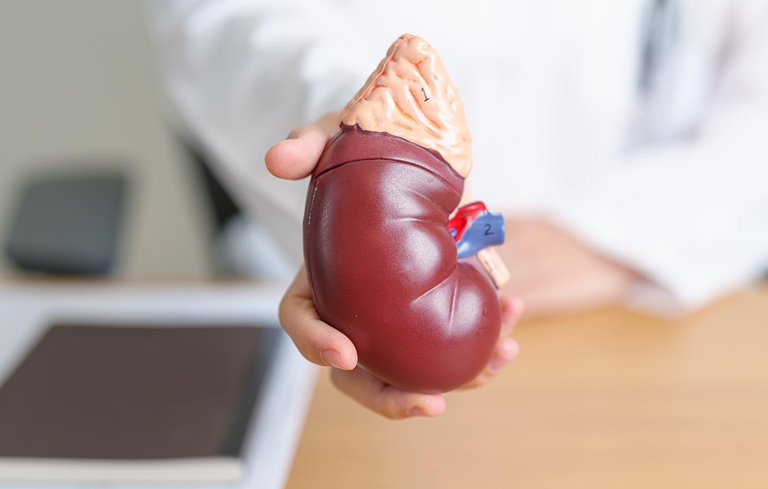
One healthy kidney is required to meet the body’s excretory needs. During surgery, the donated kidney is placed in the lower abdomen and connected with the blood vessels and the bladder. The patient’s original kidneys are usually left in place unless medically indicated otherwise.
Who qualifies for transplantation?
Transplant is considered for patients with:
- End-stage kidney disease
- Irreversible chronic kidney disease
- Dialysis dependence
- Severe reduction in kidney function with complications
Each patient undergoes a Detailed medical evaluation that includes physical examination, imaging, blood tests, cardiac assessment, cancer screening, and psychosocial review. The goal is mainly to confirm that surgery is safe and that the patient can manage lifelong follow-up care.

Organ donation and allocation
A deceased donor is an individual who consented to organ donation during life or whose family provides authorization after death. Organs are retrieved only when strict medical and ethical criteria are met.
For organ donation, the time limit after death is that the kidneys must be retrieved promptly to maintain viability. Once circulation stops, the transplant team works within a defined preservation window. The kidney is cooled or placed on a preservation machine to maintain oxygen and nutrient supply until transplantation.
Allocation is done based on factors like:
- Blood type compatibility
- Tissue matching
- Medical urgency and waiting time
- Geographic proximity
Organ donation time limit after death is medically defined to preserve organ function.
King’s Transplant Centre works with regulated transplant networks to ensure ethical and transparent allocation practices are adhered.
How long does a deceased donor kidney last?
Many patients ask, ‘’How long does a deceased donor kidney last?’’ On average, a deceased donor kidney transplant in dubai functions for approximately 10 to 15 years. However, it can vary depending on:
- Donor quality
- Recipient health
- Immune response
- Medication adherence
- Lifestyle habits
When comparing how long does a donor kidney lasts in general, kidneys from living donors tend to function longer, often 15 to 20 years. Still, deceased donor transplantation remains a life-saving and effective treatment option.
Patients also ask about the ‘’maximum life expectancy after kidney transplant’’. With good graft function and consistent follow-up, many recipients live decades after transplantation, returning to work, family life, and normal activity.
Kidney Transplant Services
Meet Our kidney specialists in Dubai


Understanding expanded criteria donors
Not all donor kidneys come from young, healthy individuals. Expanded criteria donors may include older donors or those with certain controlled medical conditions. These kidneys may become available sooner and can still provide a meaningful survival benefit.
In selected cases, two kidneys from such donors may be transplanted together to improve overall function. Each case is discussed individually with The transplant team to ensure informed decision-making.
The surgical process
Once a suitable kidney becomes available, the patient is contacted immediately. On arrival at the hospital, final blood tests and cross-matching are performed to confirm compatibility.
The transplant surgery typically lasts several hours. After surgery, patients are admitted to the hospital for close monitoring. Kidney function often begins quickly, though some patients may require temporary dialysis support.
Risks and recovery
As with any major surgery, risks include:
- Bleeding
- Infection
- Blood clots
- Delayed graft function
- Rejection
Organ rejection happens due to the immune system attacks the transplanted kidney. To prevent this, patients take immunosuppressive medications daily. These medications require lifelong adherence and monitoring.
Recovery phase includes strict adherence to:
- Regular blood tests
- Medication adjustments
- Blood pressure maintenance
- Infection prevention
- Balanced nutrition
King’s Transplant Centre provides coordinated follow-up care involving transplant surgeons, nephrologists, ICU specialists, nurses, dietitians, and transplant coordinators.
How patients can protect their new kidney
Long-term success depends heavily on patient involvement. To help the kidneys last longer:
- Take medications exactly as prescribed
- Attend scheduled follow-up appointments
- Maintain healthy blood pressure
- Control diabetes if present
- Quit smoking
- Stay physically active
- Seek early care for infections
They play a major role in determining how long does a donor kidney lasts in each case.
Why choose King’s Transplant Centre
King’s Transplant Centre delivers UK-standard transplant care in Dubai with:
- Experienced multidisciplinary transplant team
- Advanced surgical and ICU facilities
- Structured pre-transplant evaluation
- Dedicated coordinators
- Ethical organ allocation framework
- International patient support services
- Research-driven clinical practice
The centre operates as per the comprehensive and regulated transplant environment. It also offers diagnostics, critical care, and long-term monitoring under one roof.
A second chance at life
A deceased donor kidney transplant is not a simply a surgical procedure. It is a structured medical journey that requires evaluation, precision surgery, and lifelong follow-up. For patients living with kidney failure, it provides the possibility of improved survival, better quality of life, and independence from dialysis.
If you or your loved one is seeking a deceased donor kidney transplant in Dubai, the team at King’s Transplant Centre is ready to guide you through evaluation, eligibility, and treatment planning with clarity and clinical precision.
Book an appointment today to begin your transplant assessment and take the next step toward restoring your kidney health.