

What does Gallbladder pain feel like, and why can it be easy to misread?
A sudden cramp under your ribs after dinner. A dull ache that won’t quite settle. Many people wonder what gallbladder pain feels like only after it catches them off guard, often mistaking it for heartburn, a pulled muscle, or plain overeating.
The good news is that gallbladder pain often follows a recognizable pattern. Knowing where it occurs, what may trigger it, and which symptoms should concern you can help you understand what your body is telling you and when to seek medical care.
In this blog, you’ll learn how gallbladder pain feels, where you may notice it, and when you should see a specialist.
Key takeaways
|
What does Gallbladder pain feel like?
Gallbladder pain can catch you off guard because it may feel similar to indigestion, heartburn, or other types of abdominal pain.
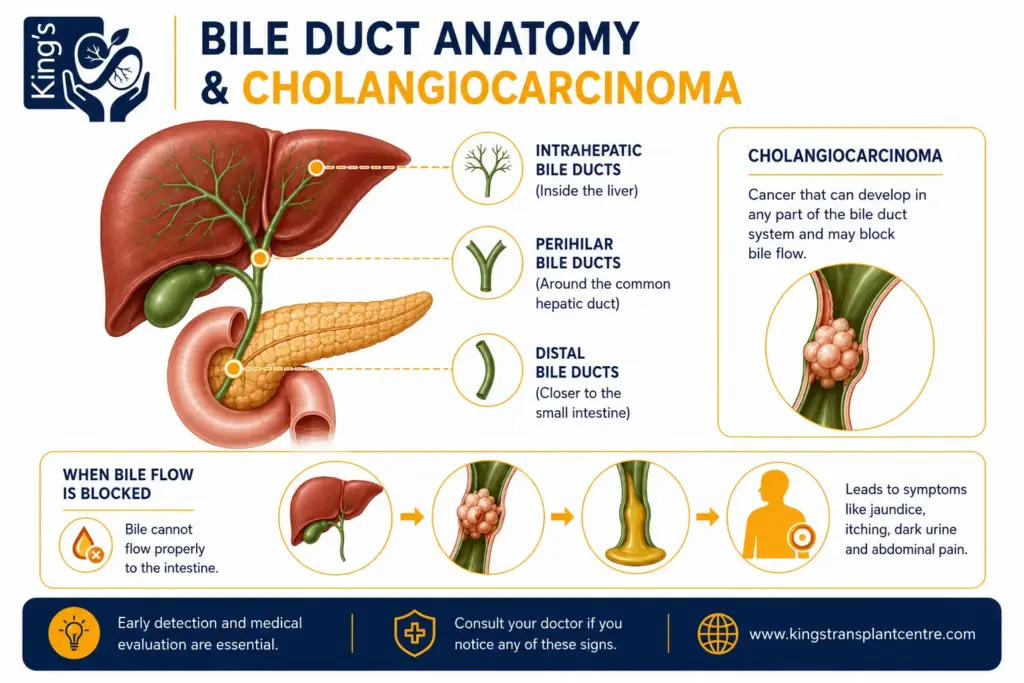
It often starts suddenly as a strong, steady ache, cramping, or pressure in the upper right side of your abdomen, just beneath the ribs. Some people feel it in the upper middle abdomen, below the breastbone. The pain can become intense and may spread to your back or right shoulder.
Unlike ordinary indigestion, the pain may not improve after passing gas or having a bowel movement. You may also experience:
- Nausea or vomiting
- Abdominal tenderness
- Pain that spreads to your back
- Pain that travels to your right shoulder
Gallbladder attacks often occur after eating, particularly following a heavy or fatty meal. However, not every episode of upper abdominal pain is caused by the gallbladder, so persistent or severe symptoms should be assessed by a doctor.
Understanding what does gallbladder pain feel like early on can help you seek care before symptoms worsen.
Gallbladder pain location: Where you'll feel it?
Gallbladder pain location is fairly predictable, which is what makes it useful for self-checking your symptoms.
You’ll usually feel it:
- In your upper right abdomen, just below your ribcage
- Radiating to your back, between your shoulder blades
- Sometimes spreading to your right shoulder or shoulder blade
- Occasionally, in the center of your chest or upper stomach
That last point is exactly why gallbladder pain location confuses so many people. When it sits behind the breastbone, it can feel eerily similar to heart-related chest pain.
Gallbladder pain after eating: Why does it happen?
Experiencing gallbladder pain after eating is one of the most common early warning signs.
When you consume greasy, fried, or rich foods, your body signals the gallbladder to contract and squeeze stored bile into the small intestine to aid digestion.
If gallstones are blocking the exit, that contraction causes a sudden rise in pressure, triggering an attack. These episodes typically develop within an hour after dining and can linger anywhere from 30 minutes to several hours.
Recognizing what does gallbladder pain feel like right after a meal is often the clearest clue something’s wrong.
Gallbladder attack symptoms to watch for
A true gallbladder attack rarely shows up alone. Along with the pain itself, gallbladder attack symptoms commonly include:
- Sudden, rapidly intensifying pain in the upper abdomen
- Nausea or vomiting that doesn’t relieve the pain
- Bloating or a feeling of fullness
- Fever or chills (a sign the gallbladder may be inflamed)
- Yellowing of the skin or eyes (jaundice)
- Dark urine or pale, clay-colored stools
Fever, chills, or jaundice along with abdominal pain should not be ignored. These symptoms may indicate gallbladder inflammation or a blocked bile duct and require prompt medical assessment.
Why is gallbladder pain easy to misread?
Gallbladder pain can resemble several other conditions. For example, discomfort in the upper abdomen may be mistaken for indigestion or acid reflux.
Other conditions that can cause similar symptoms include:
- Heartburn or acid reflux: Both can cause upper abdominal discomfort after eating.
- A pulled muscle: The cramping quality can feel musculoskeletal at first.
- Heart problems: Chest or upper abdominal pain can sometimes be related to the heart. Sudden or severe chest pain needs urgent medical attention.
- Stomach ulcers or gastritis: Both cause upper abdominal pain that can feel similar early on.
This is why the location and timing of pain alone cannot confirm a gallbladder problem. Doctors may use your symptoms, medical history, physical examination, blood tests, and imaging, such as an abdominal ultrasound, to determine the cause of the pain. That’s exactly why knowing what does gallbladder pain feel like and how it differs from other conditions matters for getting the right diagnosis.
Treatment options for Gallbladder pain
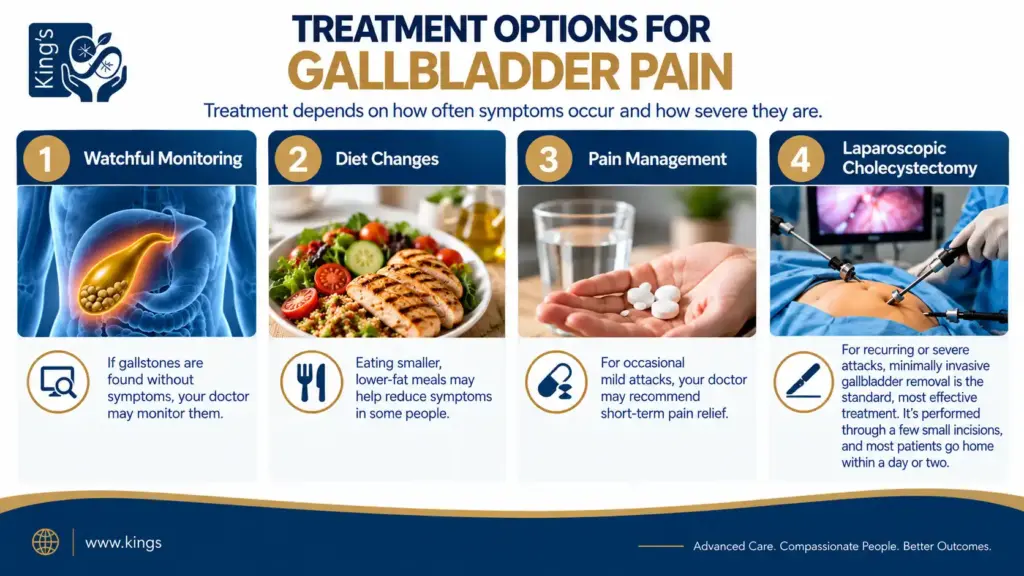
Treatment options for gallbladder pain depend on how often symptoms occur and how severe they are:
- Watchful monitoring: If gallstones are found without symptoms, your doctor may simply monitor them.
- Diet changes: Eating smaller, lower-fat meals may help reduce symptoms in some people.
- Pain management: For occasional mild attacks, your doctor may recommend short-term pain relief.
- Laparoscopic cholecystectomy: For recurring or severe attacks, minimally invasive gallbladder removal is the standard, most effective treatment. It’s performed through a few small incisions, and most patients go home within a day or two.
Why choose King’s Transplant Centre for Gallbladder care in Dubai?
Gallbladder pain can have several possible causes, so an accurate diagnosis is the first step toward choosing the right treatment. At King’s Transplant Centre, you can access specialist care for gallbladder, bile duct, liver, and related digestive conditions.
What you can expect:
- Specialist assessment: Your symptoms, medical history, and test results are reviewed to identify the likely cause of your pain.
- Advanced diagnostics: Imaging and other appropriate tests can help identify gallstones, bile duct stones, inflammation, or other conditions.
- Surgical care when needed: If symptomatic gallstones require surgery, laparoscopic gallbladder removal may be recommended.
- Multidisciplinary care: Hepatobiliary surgeons, gastroenterologists, and hepatologists can be involved when your condition requires care across specialities.
- Personalized treatment planning: Your treatment is based on your diagnosis, symptoms, overall health, and individual needs.
If you’re experiencing recurring upper abdominal pain, pain after meals, or other possible gallbladder attack symptoms, don’t ignore repeated episodes. Speak with a specialist to understand what’s causing your symptoms and whether treatment is needed.
FAQs
A gallbladder attack may stop when a gallstone moves and the blockage clears. However, the gallstones can remain, and further attacks may occur.
It usually comes in waves. Pain builds over 15 to 30 minutes, stays intense for a while, then fades once the pressure behind the blockage releases.
Movement does not reliably distinguish gallbladder pain from other types of abdominal pain. If your pain is severe, persistent, or accompanied by fever or vomiting, seek medical evaluation rather than relying on how movement affects it.
It often strikes after meals, especially fatty ones, and many people notice attacks in the evening or overnight, since dinner is often the largest and richest meal of the day.
Severe or persistent pain, especially with fever, chills, vomiting, jaundice, dark urine, or pale stools, needs prompt medical attention. These can be signs of a complication.
Yes. When pain sits behind the breastbone, it can resemble cardiac chest pain. Any sudden, severe chest pain should be treated as a medical emergency until heart problems are ruled out.
No. It can feel sharp, stabbing, aching, or like steady pressure. The location and intensity can also vary, making proper evaluation important.
No. Gallstones that cause no symptoms may not need treatment. However, symptomatic gallstones commonly require treatment, and gallbladder removal is the usual definitive treatment when gallstones cause recurrent symptoms.
Overview
Understanding Gallbladder Pain and Its Warning Signs
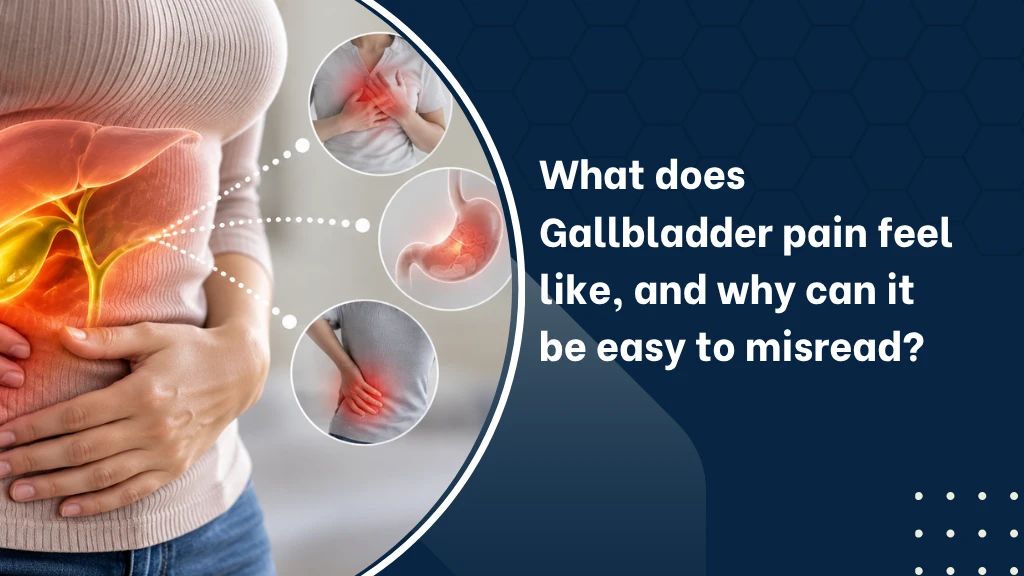
Gallbladder pain can sometimes feel similar to indigestion, stomach discomfort, or even pain in the chest or back, making its source difficult to identify. It may occur in the upper-right abdomen, particularly after a fatty meal, and can sometimes spread toward the right shoulder or back.
At King’s Transplant Centre, our specialists assess persistent or recurring abdominal pain using appropriate clinical evaluation and diagnostic imaging to identify gallstones, inflammation, bile duct blockage, or other underlying causes.
Your symptoms deserve the right attention. Schedule your consultation with King’s Transplant Centre for expert assessment and personalised care.