
What warning signs of liver cancer should you never ignore
Liver cancer can be a daunting diagnosis, but early detection is a powerful tool in improving treatment outcomes. At King’s Cancer Care Centre, we’re dedicated to empowering you with knowledge, because we know it’s the first step toward taking control of your health.
While liver cancer symptoms often presents no symptoms in its earliest stages, understanding the subtle and often-overlooked warning signs can make a crucial difference. The liver is a highly resilient organ, yet when cancer starts to grow, it can interfere with its function, resulting in a range of symptoms.
Many of these can be mistaken for less severe conditions, which is why it’s so important to listen to your body and seek professional medical advice if something feels off.
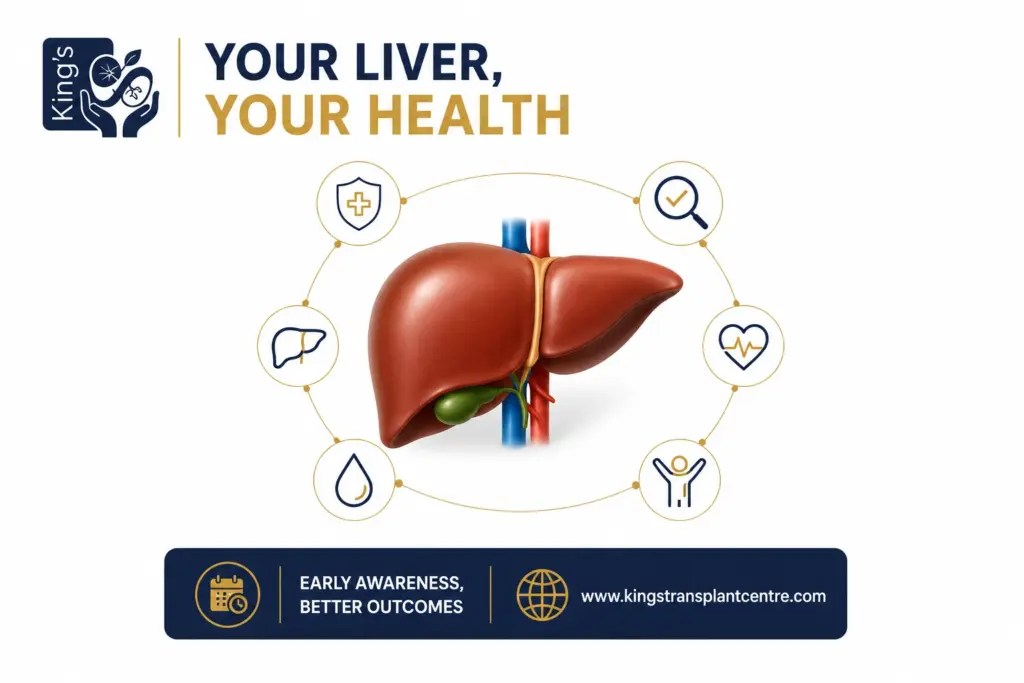
What could be the first signs of liver cancer?
Recognising the first signs of liver cancer can be challenging because they are often non-specific. However, as the cancer progresses, several liver cancer symptoms may emerge. It’s crucial to keep in mind that these signs aren’t exclusive to liver cancer and may be symptoms of other health issues.
Consulting with a specialist is the only way to get an accurate diagnosis. Some of the most common liver cancer signs include:
Unexplained weight loss: This is a key symptom in many cancers. It could be a warning sign if you lose significant weight (more than 5-10 %) without changing your diet or exercise. Cancer cells are diverting the body’s energy, which can result in a loss of appetite and muscle mass.
Loss of appetite and early satiety: You might feel full after eating only a small amount. This is known as “early satiety” and can be a result of the tumour pressing on the stomach or a change in liver function.
Persistent fatigue and weakness: A feeling of overwhelming tiredness or weakness that doesn’t improve with rest can be a symptom of many conditions, including cancer. When the liver’s function is impaired by cancer, a buildup of toxins can occur, which often leads to a general feeling of malaise.
Nausea and vomiting: When the liver’s ability to process toxins and aid in digestion is compromised, you may experience persistent nausea or episodes of vomiting.
The role of pain and other physical symptoms
While many liver cancer symptoms are subtle, others can be more pronounced, such as pain and changes in your physical appearance. Understanding these can prompt you to seek medical help sooner.
What does liver pain feel like?
The question what does liver pain feel like is frequently associated with liver cancer, particularly in the later stages of tumour growth. The liver has few nerve endings, but the capsule surrounding it is complete.
As the tumour expands, it stretches this capsule, causing a dull or sharp ache in the upper right side of the abdomen. This pain may also radiate to the right shoulder blade or the back. It can be persistent, nagging, or more severe, acute discomfort.
Is weight loss a warning sign of liver problems?
Yes, significant and unexplained weight loss is a serious warning sign of liver problems, including cancer. Other symptoms, like a reduced appetite and a feeling of fullness, often accompany this.
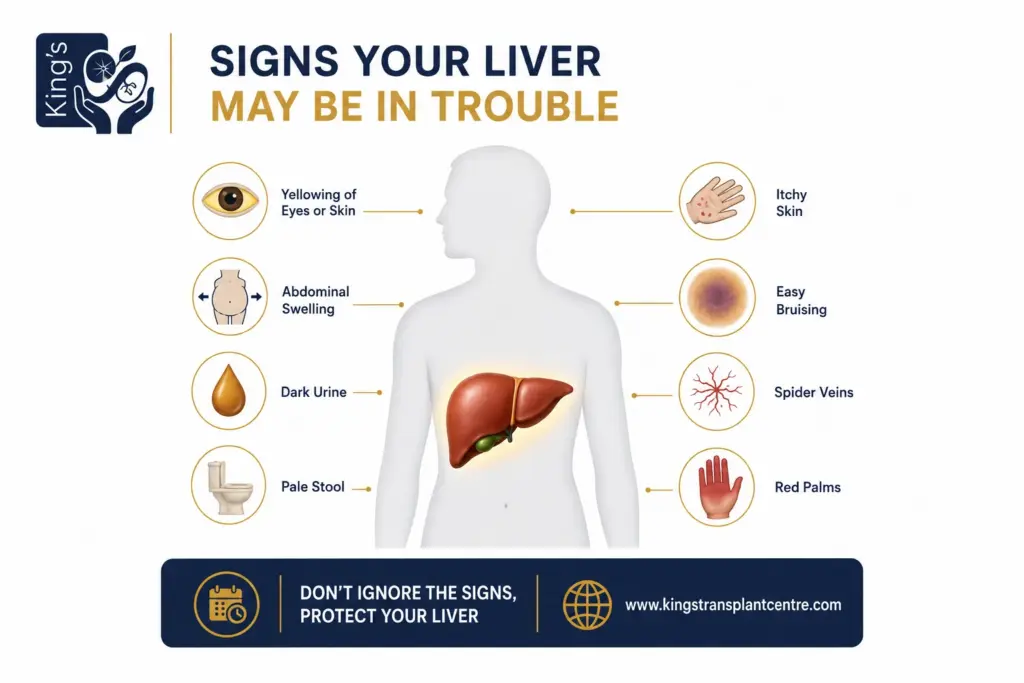
Other important liver cancer signs to watch for
In addition to the more common signs, several other symptoms point to a potential issue with the liver’s function:
Jaundice: This is a classic symptom of advanced liver disease and cancer. It’s caused by a buildup of bilirubin (a yellow-orange pigment) in the blood, leading to a yellowing of the skin and the whites of the eyes.
Abdominal swelling (Ascites): A buildup of fluid in the abdomen, medically termed ascites, can lead to a feeling of swelling or bloating. This occurs when the liver can no longer effectively regulate fluid in the body.
Itchy skin: The buildup of bilirubin and other substances in the body can lead to severe, persistent itching.
Abnormal bruising or bleeding: When the liver is damaged, it struggles to produce the proteins needed for blood clotting, which can lead to easy bruising or bleeding from minor cuts.
Enlarged veins on the abdomen: Poor blood flow from a damaged liver can lead to a condition called caput medusae, where enlarged veins become visible under the skin on the belly.
At King’s Cancer Care Centre, we are dedicated to providing the highest standard of care, from advanced diagnostics to personalised treatment plans.
If you are experiencing any of these liver cancer symptoms primarily if you have known risk factors such as chronic hepatitis or cirrhosis it is essential to consult with a medical professional.
Our team has the expertise and compassion to answer your questions and guide you through the process. Don’t wait; your health is your most valuable asset.

FAQs
What are the early warning signs of liver cancer?
Early liver cancer may not cause noticeable symptoms. When symptoms do occur, they can include unexplained weight loss, loss of appetite, persistent fatigue, upper abdominal discomfort, jaundice, abdominal swelling, nausea, and changes in urine or stool colour. Persistent or unusual symptoms should be evaluated by a healthcare professional.
What are the symptoms of liver cancer in the early stages?
- Liver cancer can be difficult to detect in its early stages because symptoms may be mild or absent. Possible early symptoms include fatigue, reduced appetite, unexplained weight loss, mild abdominal discomfort, and jaundice. Regular medical monitoring can help detect liver problems earlier, particularly in people with known risk factors.
Is jaundice a warning sign of liver cancer?
Yes, jaundice can be a warning sign of liver cancer, although it can also occur with several other liver and bile duct conditions. It causes the skin and whites of the eyes to become yellow because bilirubin builds up in the body. New or worsening jaundice should be medically evaluated.
When should you see a doctor for liver cancer symptoms?
You should speak with a doctor if you have persistent symptoms such as unexplained weight loss, ongoing fatigue, abdominal pain or swelling, jaundice, dark urine, pale stools, or unusual bleeding or bruising. People with conditions that increase liver cancer risk should also follow recommended screening and monitoring schedules.
Can liver cancer be detected before symptoms appear?
Yes. Liver cancer can sometimes be detected before symptoms develop, particularly in people at higher risk. Doctors may recommend regular surveillance using liver ultrasound, with or without blood tests such as alpha-fetoprotein (AFP), depending on the individual’s risk factors and clinical situation. Early detection can provide more treatment options.
Take action: Don't ignore your body's alerts
If you experience any liver Cancer symptoms, such as persistent fatigue, jaundice, itching, or any of the other signs above, don’t wait. Schedule a liver health evaluation immediately with the Kings Transplant Center experts. Early detection could be the key to preserving your health starting now.